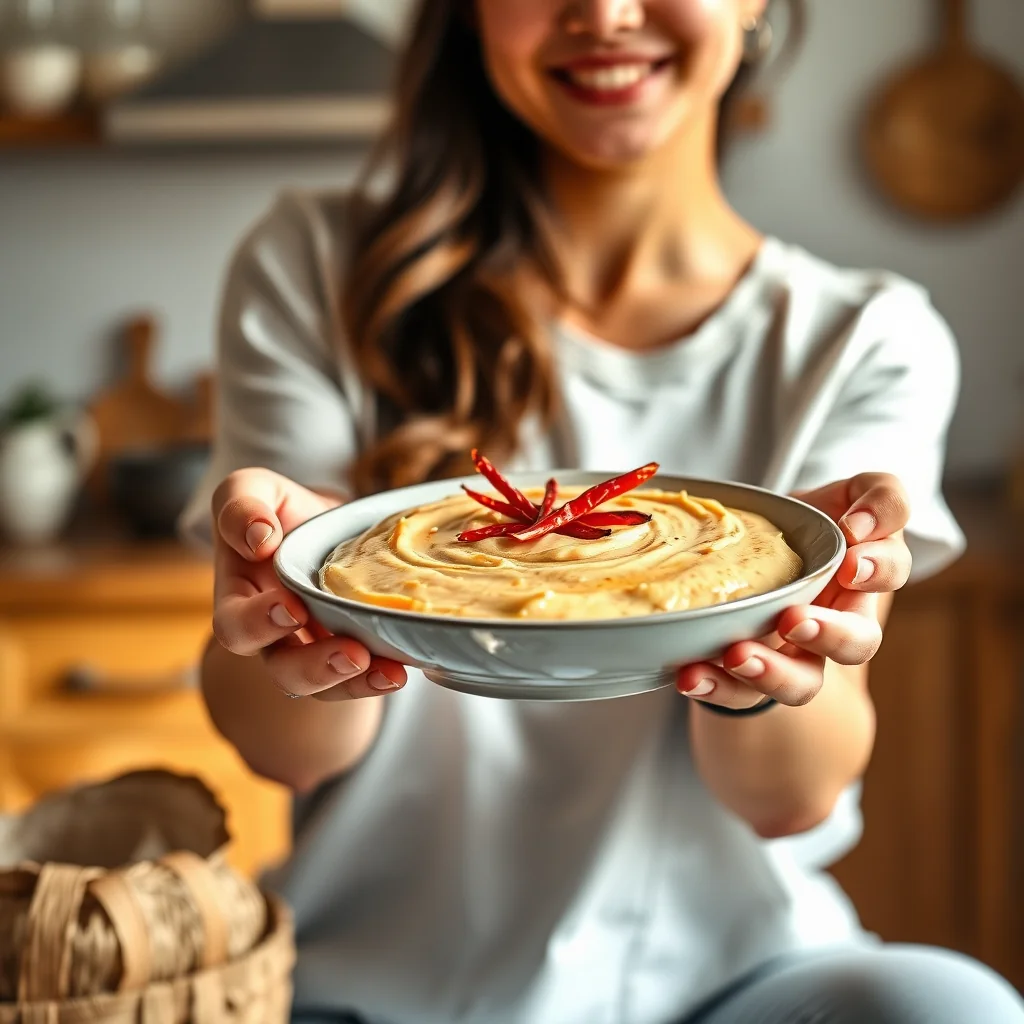
Easy and luscious Thai peanut sauce simmers coconut cream, natural peanut butter, garlic, and dry red pepper into a creamy, savory dip with gentle heat. It takes about 15 minutes from can to bowl and needs no special ingredients. Drizzle it over grilled chicken, toss it with noodle bowls, or serve it warm as a satay dip.
Tired of bland weeknight meals? Let me introduce you to the secret weapon in my kitchen: this unbelievably easy and luscious Thai Peanut Sauce. In just 15 minutes, you can create a sauce that’s bursting with creamy, savory, and slightly spicy flavors. It’s the kind of sauce that makes you want to lick the spoon! Whether you’re drizzling it over grilled chicken, tossing it with noodles, or using it as a dip for fresh spring rolls, this recipe is a total game-changer.
Ingredients
• 1 can (14 oz / 400 ml) full-fat coconut cream, or coconut milk
• 1 dry red pepper, seeds removed and finely chopped
• 1 large clove garlic, minced
• ¼ cup (60 ml / 2 fl oz) gluten-free soy sauce or tamari
• ⅓ cup (85 g / 3 oz) natural unsweetened peanut butter
• Salt and freshly ground black pepper, to taste
Instructions
1. Combine all —coconut cream, chopped red pepper, minced garlic, soy sauce, and peanut butter—in a small saucepan over medium heat.
2. Whisk continuously as the mixture heats up. This will help the peanut butter melt smoothly and incorporate fully into the sauce, preventing any clumps.
3. Once the sauce begins to gently bubble, reduce the heat to low and let it simmer for 5 to 10 minutes, stirring occasionally. The sauce will thicken as it cooks.
4. Remove the saucepan from the heat once the sauce has reached your desired consistency. Taste and adjust the seasoning with salt and pepper if needed.
5. Serve warm as a dipping sauce for satay, a glaze for chicken or turkey in the final minutes of cooking, or a dressing for salads and noodle bowls.
Nutritional Information
• Nutrition Information
• Calories: 312 kcal
• Carbohydrates: 7 g
• Protein: 7 g
• Fat: 30 g
Pro Tips
• For a thinner sauce, perfect for dressings, whisk in a tablespoon of warm water or lime juice at a time until you reach the right consistency.
• For a touch of sweetness and tang, add a tablespoon of maple syrup and a squeeze of fresh lime juice along with the other .
• Control the heat by using half a red pepper for a milder sauce, or add a pinch of red pepper flakes for an extra kick.
• Store leftover sauce in an airtight container in the refrigerator for up to one week. It will thicken when chilled, so gently reheat it on the stove, adding a splash of water to loosen it up.
FAQ
Q: How can I make this peanut sauce thinner
A: For a thinner sauce suitable for dressings, whisk in a tablespoon of warm water or lime juice at a time until you reach the desired consistency.
Q: How do I store leftover Thai peanut sauce
A: Store leftover sauce in an airtight container in the refrigerator for up to one week. It will thicken when chilled, so gently reheat it on the stove, adding a splash of water to loosen it up before serving.
Q: Can I adjust the sweetness and spice level
A: Yes. For a touch of sweetness, add a tablespoon of maple syrup. To control the heat, use less dry red pepper for a milder sauce or add a pinch of red pepper flakes for an extra kick.
Q: Is this peanut sauce recipe gluten-free
A: This recipe can easily be made gluten-free by using gluten-free soy sauce or tamari, as listed in the ingredients.
Pro Tips
- Whisk continuously as the sauce heats so the peanut butter melts smoothly into the coconut cream. This is what keeps the sauce silky instead of grainy or clumpy.
- For a thinner sauce suited to dressings, whisk in warm water or lime juice one tablespoon at a time. For a thicker dip, simply let it simmer on low a few minutes longer.
- Control the heat at the pepper: use half a dry red pepper with the seeds removed for a milder sauce, or add a pinch of red pepper flakes for an extra kick.
- The sauce thickens noticeably when chilled. Gently reheat leftovers on the stove with a splash of water to loosen it back to drizzling consistency.
- Leftover sauce stores in an airtight container in the refrigerator for up to one week, making it an easy keto-friendly meal prep staple.
Frequently Asked Questions
How do I make the peanut sauce thinner?
Whisk in warm water or lime juice one tablespoon at a time until it reaches the consistency you want. This keeps the sauce keto-friendly while making it pourable for dressings.
How do I store leftover Thai peanut sauce?
Keep it in an airtight container in the refrigerator for up to one week. It thickens as it chills, so warm it gently on the stove with a splash of water before serving.
Can I adjust the sweetness and spice level?
Yes, use half a red pepper for a milder sauce or add red pepper flakes for more heat. A tablespoon of maple syrup brings a touch of sweetness and tang if you want it.
Is this Thai peanut sauce gluten-free and keto-friendly?
It is gluten-free when made with gluten-free soy sauce or tamari. Each serving lands at about 312 calories with 7g of carbs and 30g of fat, so it fits a keto menu.
Recipe card below.
More Recipes You’ll Love
- Quick Red Pesto Shrimp with Zucchini Noodles
- Pan-Seared Salmon with Hemp Heart Pesto and Cauliflower Rice
- Cheesy Spaghetti Squash with Basil Pesto
Easy and Luscious Thai Peanut Sauce
Ingredients
Method
- Combine all —coconut cream, chopped red pepper, minced garlic, soy sauce, and peanut butter—in a small saucepan over medium heat.
- Whisk continuously as the mixture heats up. This will help the peanut butter melt smoothly and incorporate fully into the sauce, preventing any clumps.
- Once the sauce begins to gently bubble, reduce the heat to low and let it simmer for 5 to 10 minutes, stirring occasionally. The sauce will thicken as it cooks.
- Remove the saucepan from the heat once the sauce has reached your desired consistency.
- Taste and adjust the seasoning with salt and pepper if needed.
- Serve warm as a dipping sauce for satay, a glaze for chicken or turkey in the final minutes of cooking, or a dressing for salads and noodle bowls.