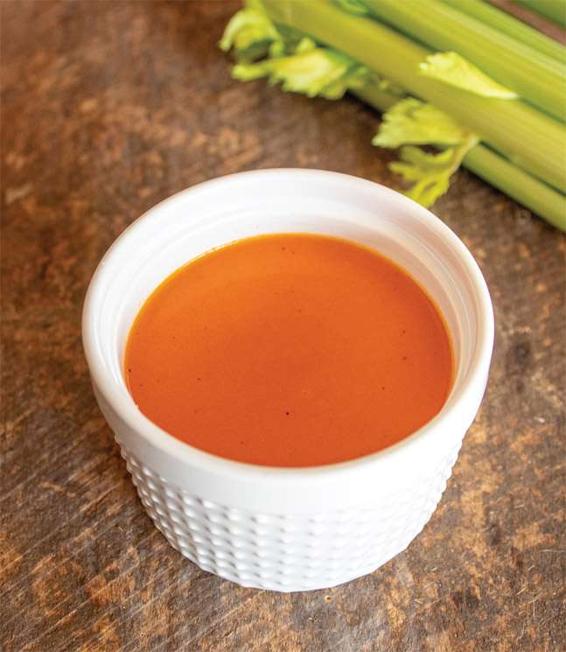
The Ultimate Guide to a Silky, Foolproof Hollandaise Sauce
There’s something undeniably luxurious about a perfectly made Hollandaise sauce. That velvety, golden river of buttery, tangy goodness cascading over a perfectly poached egg is the stuff brunch dreams are made of. For years, many home cooks have been intimidated by this classic French mother sauce, fearing the dreaded ‘break.’ But trust me, this recipe demystifies the entire process. With a little patience and a strong whisking arm, you’ll be creating a restaurant-worthy Hollandaise that will elevate everything from eggs Benedict to simple steamed asparagus.
Ingredients
• 4 large egg yolks
• 2 tablespoons / 30 ml fresh lemon juice
• 1 ½ sticks / 12 tablespoons / 170g unsalted butter, melted and kept warm
• Salt and freshly ground black pepper, to taste
• Pinch of cayenne pepper or a dash of hot sauce, optional
Instructions
1. Directions
2. Prepare your double boiler. Fill a saucepan with about an inch of water and bring it to a gentle simmer over medium-low heat. The water should be steaming, not boiling.
3. Whisk the yolks. In a heatproof glass or stainless steel bowl, whisk the egg yolks and fresh lemon juice together until they are pale, frothy, and slightly thickened.
4. Gently cook the base. Place the bowl over the simmering water, ensuring the bottom of the bowl does not touch the water. Whisk constantly until the mixture doubles in volume and is thick enough to leave a ribbon trail when you lift the whisk. This is the most crucial step for a stable sauce.
5. Emulsify the sauce. Remove the bowl from the heat. While whisking vigorously, begin adding the warm melted butter, literally one drop at a time. Once you see the sauce begin to thicken and emulsify, you can slowly pour the rest of the butter in a thin, steady stream, whisking constantly until it’s all incorporated and the sauce is smooth and glossy.
6. Season and serve. Whisk in a pinch of salt and cayenne pepper or hot sauce, if using. Taste and add more lemon juice or seasoning as needed. For the best texture and flavor, serve immediately over poached eggs, asparagus, or fish.
Nutritional Information
• Nutrition Facts (per serving)
• Calories: 566 kcal
• Fat: 62g
• Protein: 3g
• Carbohydrates: 1g
• is an estimate and may vary based on used.
Pro Tips
• Pro-Tips for Perfect Hollandaise
• Keep the heat gentle. If the eggs get too hot, they will scramble. If the bowl feels too hot to the touch, briefly lift it off the heat while continuing to whisk to control the temperature.
• To fix a broken (separated) sauce, place a teaspoon of hot water in a clean bowl. Then, very slowly, whisk the broken sauce into the water, drop by drop, until the emulsion comes back together.
• Hollandaise is best served fresh and warm. It does not hold or reheat well, as it is likely to separate. Plan to make it just before you’re ready to serve your meal.
FAQ
Q: What causes Hollandaise sauce to break
A: Hollandaise sauce can break or separate if the eggs get too hot and scramble. It’s crucial to use gentle, indirect heat, like from a double boiler, and to control the temperature carefully.
Q: How can I fix a broken Hollandaise sauce
A: To fix a broken sauce, place a teaspoon of hot water in a clean bowl. Then, very slowly, whisk the broken sauce into the water, one drop at a time, until the emulsion reforms.
Q: Can I make Hollandaise sauce ahead of time
A: It is not recommended. Hollandaise is best served fresh and warm immediately after making it. It does not hold or reheat well and is very likely to separate.
Q: What is the most important step for a stable sauce
A: The most crucial step is gently cooking the egg yolk and lemon juice mixture over the double boiler, whisking constantly until it doubles in volume and becomes thick enough to leave a ribbon trail from the whisk.