The Ultimate Guide to Perfect, Pan-Seared Foie Gras
The thought of cooking foie gras at home can be intimidating. This luxurious delicacy, with its impossibly rich, melt-in-your-mouth texture, seems like something best left to the professionals. What if you overcook it and end up with a pan of expensive liquid gold? Fear not. Searing foie gras is a surprisingly simple and rapid technique that, once mastered, will elevate your home cooking to Michelin-star levels. The secret lies in a cold product, a hot pan, and a fearless attitude. Follow these steps, and you’ll achieve a perfect, crisp, golden-brown crust with a warm, buttery-soft center every single time.
Ingredients
• ½ lb / 225g raw Grade A duck foie gras, chilled, cleaned and deveined
• Flaky sea salt and freshly ground black pepper, to taste
• 2 tsp / 10 ml coconut oil (or other neutral oil)
• 2 tbsp / 30 ml good-quality balsamic or coconut vinegar
Instructions
1. Directions
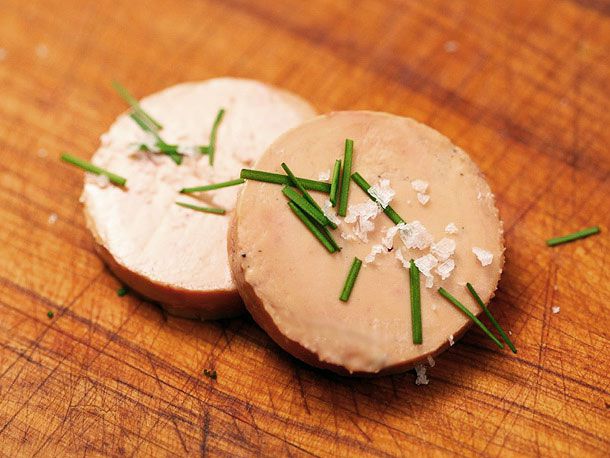
2. Slice the chilled, deveined foie gras lobe crosswise into four generous ¾-inch / 2 cm thick medallions. Season both sides liberally with flaky sea salt and freshly ground black pepper.
3. Heat a heavy-bottomed skillet (like cast iron) over medium-high heat. Add 1 tsp / 5 ml of coconut oil; the pan should be hot but not smoking.
4. Carefully place two foie gras medallions in the hot pan. Sear for 60-90 seconds per side, until a deep golden-brown crust forms and the fat has rendered. The inside should be soft but not liquid. Immediately transfer to a plate lined with a paper towel.
5. Repeat with the remaining two medallions, adding the second teaspoon of oil if the pan looks dry. Pour off all but 1 tablespoon of the rendered duck fat from the skillet.
6. Return the skillet to the heat and deglaze with 2 tbsp / 30 ml of balsamic vinegar, scraping up any browned bits from the bottom of the pan. Let it bubble and reduce by half, creating a syrupy glaze. This will only take about 30-60 seconds.
7. To serve, place the seared foie gras on plates and drizzle the warm balsamic glaze over the top. Serve immediately.
Nutritional Information
• Approximate values per serving (makes 4)
• Calories: 292
• Fat: 28g
• Protein: 7g
• Carbohydrates: 3g
• Fiber: 1.2g
Pro Tips
• for Perfect Foie Gras
• Always work with well-chilled foie gras. A warmer lobe will melt into a puddle before it can develop a proper crust.
• A heavy-bottomed pan, like cast iron or stainless steel, is essential for maintaining the high, even heat needed for a perfect sear.
• Don’t overcrowd the pan. Searing in batches ensures the pan temperature stays high, giving you a crisp crust instead of a steamed, greasy result.
• Save the rendered fat! This liquid gold is incredible for roasting potatoes or sautéing vegetables. Let it cool and store it in a sealed jar in the refrigerator.
FAQ
Q: What is the secret to a perfect foie gras sear
A: The secret is using a very cold foie gras lobe, a very hot heavy-bottomed pan like cast iron, and not overcrowding the pan. This ensures a crisp, golden-brown crust and a warm, soft center.
Q: How long should I sear foie gras
A: Sear each ¾-inch (2 cm) thick medallion for 60-90 seconds per side. This is enough time to form a deep golden-brown crust while keeping the inside soft and warm, not liquid.
Q: What kind of pan is best for cooking foie gras
A: A heavy-bottomed skillet, such as cast iron or stainless steel, is essential. These pans maintain the high, even heat required for a perfect sear without burning the foie gras.
Q: Can I save the leftover fat from cooking foie gras
A: Yes, you should absolutely save the rendered duck fat. It’s incredibly flavorful and perfect for roasting potatoes or sautéing vegetables. Let it cool and store it in a sealed jar in the refrigerator.