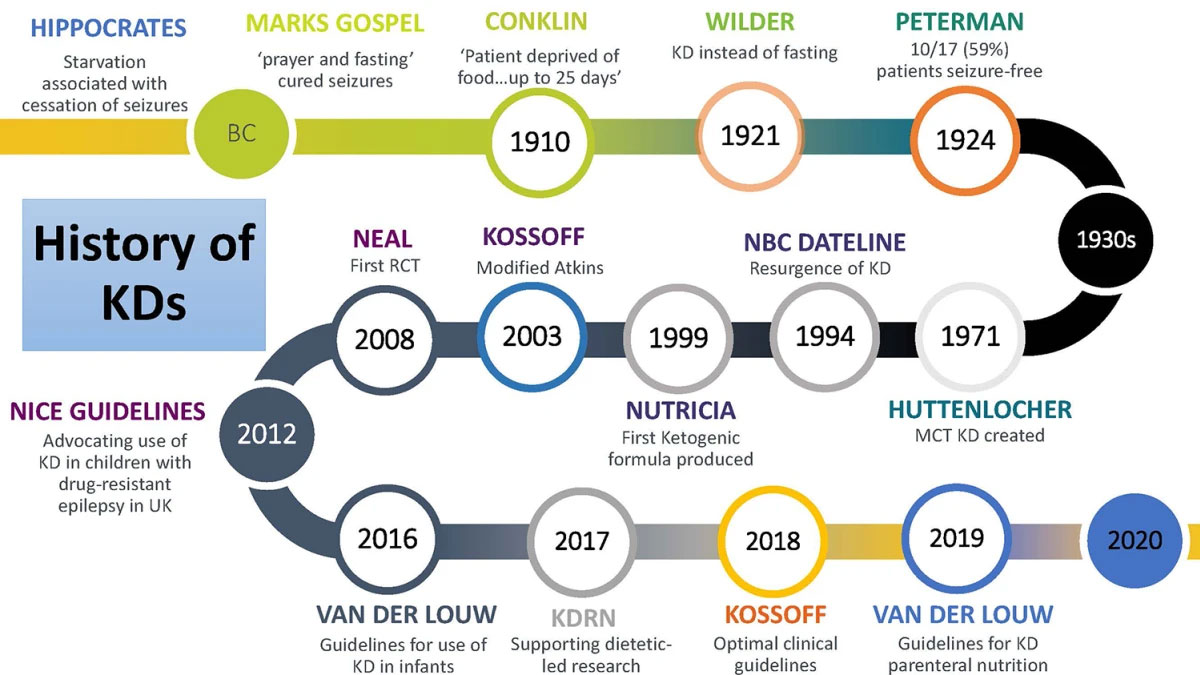
Let’s get one thing straight: everything you’ve been told about the ketogenic diet might be wrong. Spoiler alert—ketones are not the magical, fat-burning super fuel everyone claims they are. The keto diet, a high-fat, ultra-low-carb plan from the 1930s, is everywhere. From ‘clean’ to ‘dirty’ to ‘lazy’ keto, it promises a metabolic miracle: force your body into ketosis, and you’ll become a hyper-efficient fat-burning machine, shedding pounds and boosting your health. Sounds amazing, right? But if it’s so simple, why does it work wonders for some and fail spectacularly for others?
Consider two of my clients, Lisy and Nataly. Lisy, struggling with prediabetes, tried my keto plan and transformed her health. She lost 35 pounds, reversed her prediabetes, and felt incredible. A perfect success story. Then there’s Nataly. She followed the exact same keto principles but gained 15 pounds, with her metabolic health getting worse. She ate more fat, and she got more fat.
How can the same diet create two completely opposite results? The answer isn’t about willpower or ‘cheating.’ The truth is, the fundamental premise of keto—that it turns you into an efficient fat burner—is completely backward. In this series, we’re going to dismantle the keto myth and reveal the stunning new science of ketones. They aren’t fuel; they’re messengers that tell your body to do something far more powerful. And the best part? You don’t need a restrictive, 80% fat diet to get all the benefits. Ready to have your mind blown? Let’s dive in.
Ingredients
• The Recipe for a New Perspective
• Mitochondria:** Your cellular powerhouses and the true key to your metabolism.
• Ketones:** Not a fuel source, but powerful signaling molecules.
• Metabolic Flexibility:** The ability to switch from ‘fat burner’ to ‘fuel waster’ on command.
• Mitochondrial Uncoupling:** The secret process that helps slim people stay slim by ‘wasting’ calories.
• Quality Foods:** Understanding that *what* you eat is more important than the macronutrient ratio.
Instructions
1. How to Unlock Your Metabolic Potential
2. Challenge everything you believe about ‘healthy’ diets. The popular narrative is often wrong.
3. Shift your focus from ‘fat burning’ to mitochondrial health. The goal is to make your cellular engines work smarter, not harder.
4. Understand that ketones are signals. Their job is to tell your mitochondria to become ‘inefficient’ and waste calories as heat, which is the real secret to weight loss.
5. Recognize that your body is unique. If a diet isn’t working, it’s not your fault—it’s a sign that your mitochondria need different signals.
6. Forget obsessing over calories and macros. Learn to send the right signals to your body with the right foods, which we’ll explore in future posts.
Nutritional Information
• Metabolic Facts to Know
• 1 in 3 Americans are prediabetic, a condition that often leads to type 2 diabetes if unaddressed.
• 45 percent of Americans are classified as obese, but the issue isn’t willpower—it’s often ‘lazy’ mitochondria.
• An HbA1c value under 5.0 is a gold standard for excellent blood sugar control.
• High fasting insulin is a key indicator of insulin resistance, meaning your body is struggling to process glucose effectively.
• Identical twins can have vastly different metabolic rates, proving that genetics aren’t the only factor in weight management.
Pro Tips
• Pro-Tips for a Smarter Metabolism
• Success isn’t just the number on the scale; monitor lab results like your HbA1c, fasting insulin, and inflammation markers for a true picture of your health.
• If a diet leads to weight gain or makes you feel worse, it’s not a personal failure. Your unique metabolism simply requires a different approach.
• The *quality* of your food matters more than the macros. Prioritizing certain plant-based foods can send powerful, positive signals to your mitochondria.
• The real goal isn’t to become an ‘efficient fat burner.’ It’s to become a ‘fuel waster’ by activating mitochondrial uncoupling, which you can do without an extreme diet.
FAQ
Q: Why does the keto diet work for some but not others
A: The diet’s success depends on how an individual’s mitochondria respond to its signals. For some, a high-fat diet signals their body to ‘waste’ calories, leading to weight loss. For others, it simply results in storing more fat because their metabolism requires a different approach.
Q: Are ketones a fuel source
A: According to this perspective, ketones are not primarily a fuel source. They function as powerful signaling molecules that instruct your mitochondria to become ‘inefficient’ and waste calories as heat, which is the real secret to weight loss.
Q: What is mitochondrial uncoupling
A: Mitochondrial uncoupling is a metabolic process where your cells’ powerhouses (mitochondria) release energy as heat instead of using it to produce fuel. This ‘wasting’ of calories is a key mechanism that helps naturally slim people stay slim.
Q: Do I need a strict keto diet to get these benefits
A: No, a restrictive, 80% fat diet is not necessary. The goal is to send the right signals to your mitochondria using quality foods, which can activate these powerful metabolic benefits without following an extreme diet.