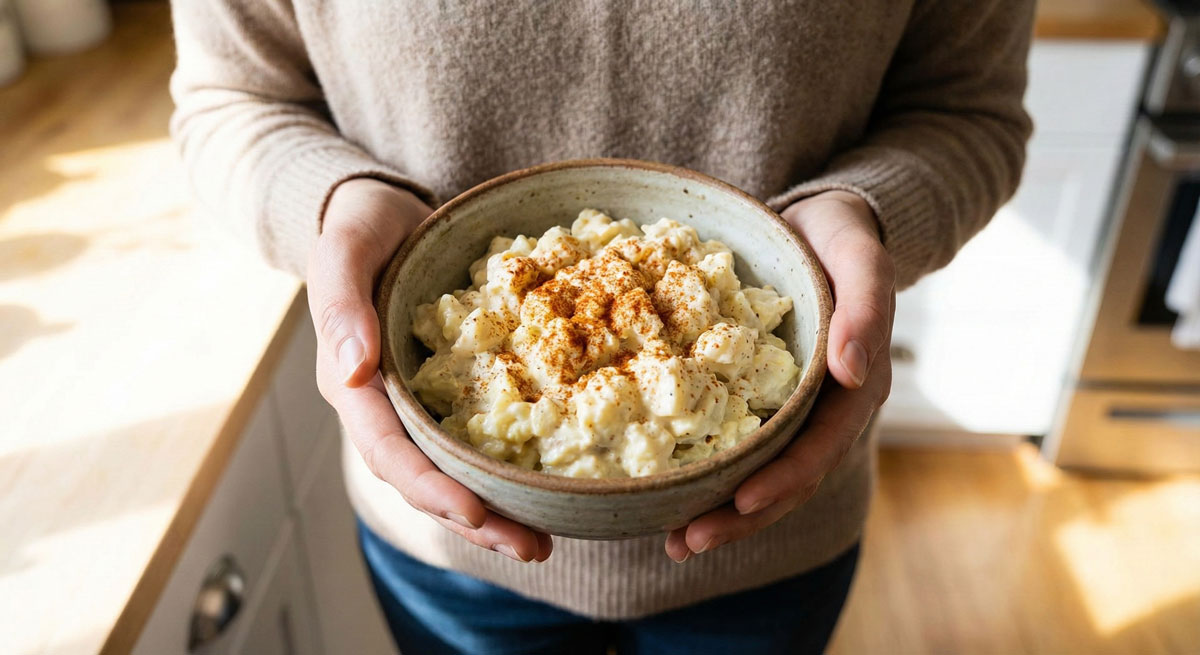

Unlock the secrets to vibrant, tangy, and perfectly spicy homemade kimchi! This traditional Korean staple is not only a flavor-packed side dish but also a powerhouse of probiotics for a healthy gut. Our step-by-step recipe breaks down the fermentation process, making it simple for anyone to create a delicious batch of authentic kimchi right in their own kitchen. Get ready to impress your taste buds!
Ingredients
• 1 large head napa cabbage, about 2 lbs / 900g
• ¼ cup / 70g fine sea salt
• Nonchlorinated water, as needed
• 5 cloves garlic, minced
• 1 tsp / 5g grated fresh ginger
• 1-2 drops stevia glycerite, optional
• 2 tbsp / 30ml fish sauce
• 2 tbsp / 15g Korean red pepper flakes (gochugaru), or to taste
• 8 oz / 225g daikon radish, peeled and julienned
• 4 green onions, cut into 1-inch pieces
Instructions
1. Prep the Cabbage: Cut the napa cabbage lengthwise into quarters, remove the core, and slice each quarter crosswise into 1½-inch-wide strips.2. Salt the Cabbage: In a large bowl, toss the cabbage with the salt and massage it with clean hands until it begins to wilt. Add enough nonchlorinated water to cover the cabbage completely. Place a plate on top and weigh it down to keep the cabbage submerged. Let it sit for 1 to 2 hours.3. Rinse and Drain: Transfer the salted cabbage to a colander and rinse thoroughly under cold water. Let it drain for at least 15 minutes to remove excess water.4. Create the Paste: In a small bowl, combine the minced garlic, grated ginger, fish sauce, and optional stevia. Mash into a smooth paste. Stir in the Korean red pepper flakes until well combined.5. Combine : Squeeze any remaining water from the cabbage and return it to a large, clean bowl. Add the daikon radish, green onions, and the spicy paste.6. Mix Thoroughly: Wearing food-safe gloves, gently but thoroughly mix the paste into the vegetables until every piece is evenly coated.7. Pack the Jars: Tightly pack the kimchi mixture into two sterile 1-quart wide-mouth mason jars, pressing down firmly to release any air pockets and encourage the brine to rise above the vegetables.8. Weigh it Down: To keep the kimchi submerged in its brine, place a fermentation weight, a clean small measuring cup, or another heavy, food-safe object on top of the vegetables inside the jar.9. Begin Fermentation: Cover the mouth of the jar with cheesecloth or a clean cloth and secure it with a string. This allows gases to escape while keeping contaminants out.10. Ferment at Room Temperature: Place the jars in a cool, dark place (65°F to 75°F) away from direct sunlight for 3 to 10 days. Check daily, pressing down on the weight to ensure the vegetables stay submerged in the brine.11. Taste and Refrigerate: After 3 days, begin tasting the kimchi. Once it reaches your desired level of sourness, remove the weight and cloth, seal the jar with an airtight lid, and transfer it to the refrigerator.12. Store: Your homemade kimchi can be stored in the refrigerator for up to 2 months, where its flavor will continue to deepen over time.
Nutritional Information
• Serving Size: ½ cup
• Calories: 25
• Carbohydrates: 5g
• Protein: 1.5g
• Fat: 0.5g
• Sodium: 650mg
• Note: is an estimate and may vary.
Pro Tips
• Pro-Tips for Perfect Kimchi
• Use non-chlorinated water (filtered, spring, or distilled) and iodine-free salt to ensure a healthy and successful fermentation.
• Wear food-safe gloves when mixing the spicy paste to protect your hands from chili burn and staining.
• For the most authentic umami flavor, use high-quality fish sauce. Salted shrimp paste can be used as a substitute or in combination.
• Always keep the vegetables fully submerged in the brine during fermentation to prevent mold and spoilage. A fermentation weight is perfect for this.
FAQ
Q: How long should I ferment my kimchi
A: You should ferment the kimchi at room temperature for 3 to 10 days. Start tasting it daily after the third day. Once it reaches your desired level of sourness and tang, transfer it to the refrigerator to slow the fermentation process.
Q: Can I make this kimchi recipe vegan
A: Yes, to make this recipe vegan, simply substitute the fish sauce with an equal amount of soy sauce, tamari, or a vegan fish sauce alternative to maintain the umami flavor.
Q: Why is it important to use non-chlorinated water
A: Using non-chlorinated water is essential because chlorine can inhibit or kill the beneficial bacteria (probiotics) that are necessary for a successful and healthy fermentation process.
Q: What if I can’t find Korean red pepper flakes (gochugaru)
A: For the most authentic flavor and color, gochugaru is highly recommended. If you cannot find it, you can substitute with other red pepper flakes, but be aware that this will alter the taste, spice level, and color of the final kimchi.