Meet Stella. She was over 45, struggling with stubborn weight, and felt like nothing worked. She’d lost an incredible 50 pounds with her husband on a strict keto diet, but then… they hit the dreaded plateau. Their secret to breaking through wasn’t about eating less; it was about discovering a single, powerful number: their personal Keto Carb Limit (KCL). This isn’t just another diet rule; it’s the personalized key to unlocking your body’s unique code for weight management and vibrant health. Ready to find yours?
Ingredients
• Foods for Finding Your Carb Limit
• Hummus
• Beans & Lentils
• Peas
• Low-Glycemic Fruits (e.g., berries)
• Seeds & Nuts
• Full-Fat Yogurt
• Cheese (if tolerated)
Instructions
1. How to Find Your Keto Carb Limit (KCL)
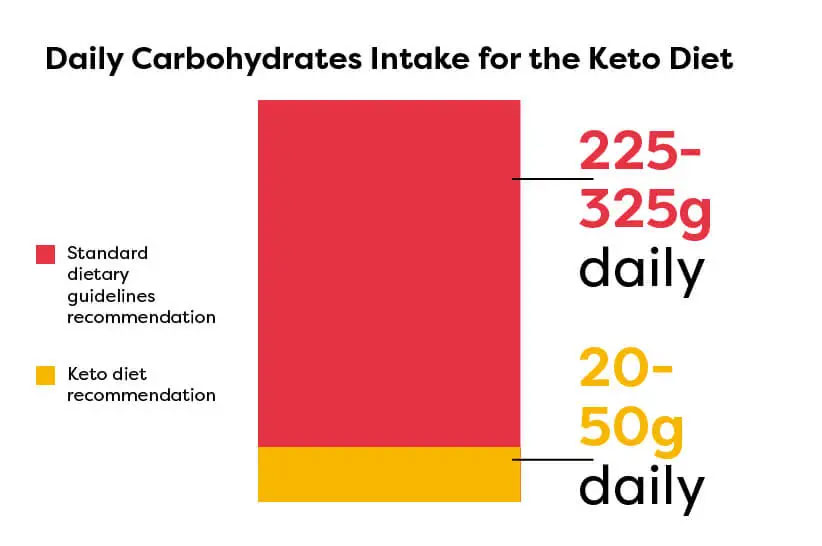
2. Establish a Baseline: For 4-8 weeks, strictly follow a keto diet with 20 grams of net carbs per day until you are consistently losing weight.
3. Start the Test: Once you have momentum, begin increasing your daily carb intake by 10 grams each week. For example, move to 30g/day for week one, 40g/day for week two, and so on.
4. Add Carbs Wisely: Incorporate your extra carbs from nutrient-dense sources like beans, hummus, berries, and nuts rather than processed grains or sugars.
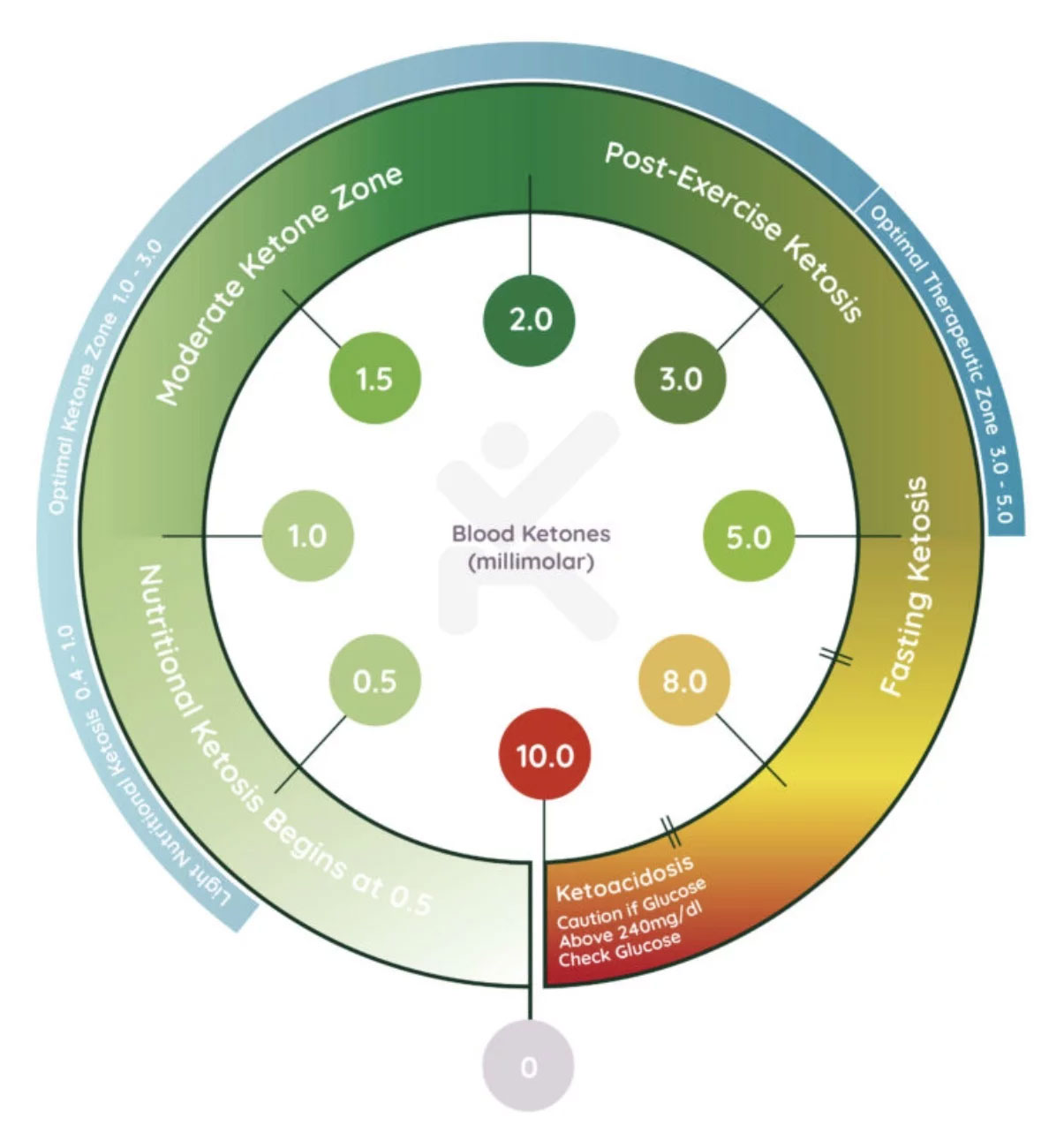
5. Monitor Your Body: Track two key metrics: your weight and your ketone levels. Use a blood or breath meter for accurate ketone readings as urine strips become less reliable over time.
6. Identify Your Limit: Continue the weekly 10-gram increase until your weight loss stalls and your ketone readings drop to zero. The carb level right before this happens is your KCL.
7. Use Your KCL: To resume rapid weight loss, drop back down to 20g of carbs daily. To maintain your weight long-term, simply eat slightly below your KCL number.
Nutritional Information
• Keto Lifestyle Benefits
• Sustainable Weight Management: Gain control over your weight by understanding your personal carb threshold.
• Balanced Hormones: Helps regulate appetite and hunger hormones, reducing cravings.
• Enhanced Mental Clarity: Experience improved focus, sharpness, and memory.
• Boundless Energy: Tap into a consistent and powerful energy source by burning fat for fuel.
• Improved Health Markers: Can positively impact triglyceride, LDL, and HDL numbers.
Pro Tips
• Pro-Tips for Long-Term Success
• For weight maintenance, consistently eat just below your KCL. If your limit is 75g, aim for 70g daily to stay in a mild state of ketosis.
• To improve sleep after reaching your goal weight, try eating a small, tennis-ball-sized portion of healthy carbs like sweet potato or brown rice with your evening meal.
• Weigh yourself daily once you’re in maintenance mode. This allows you to catch any upward trends quickly and adjust your carb intake before it becomes a problem.
FAQ
Q: What is a Keto Carb Limit
A: A Keto Carb Limit (KCL) is the personalized, maximum number of daily carbs your body can handle before your weight loss stalls and you exit ketosis. It’s the key to breaking through plateaus and managing your weight long-term.
Q: How do I find my personal Keto Carb Limit
A: First, establish a baseline by eating 20g of net carbs daily until you are consistently losing weight. Then, increase your daily carb intake by 10g each week, monitoring your weight and ketone levels. Your KCL is the carb level right before your weight loss stops.
Q: What foods should I add to find my carb limit
A: When increasing your carbs, choose nutrient-dense, low-glycemic options like hummus, beans, lentils, berries, nuts, seeds, and full-fat yogurt. Avoid processed grains or sugars.
Q: How do I use my KCL for weight loss versus maintenance
A: To restart rapid weight loss, return to a strict 20g of net carbs daily. For long-term weight maintenance, consistently eat just slightly below your personal KCL number to stay in a mild state of ketosis.