1 - Volume Hacks: Mastering the Art of Big Plates and Tiny Calorie Counts
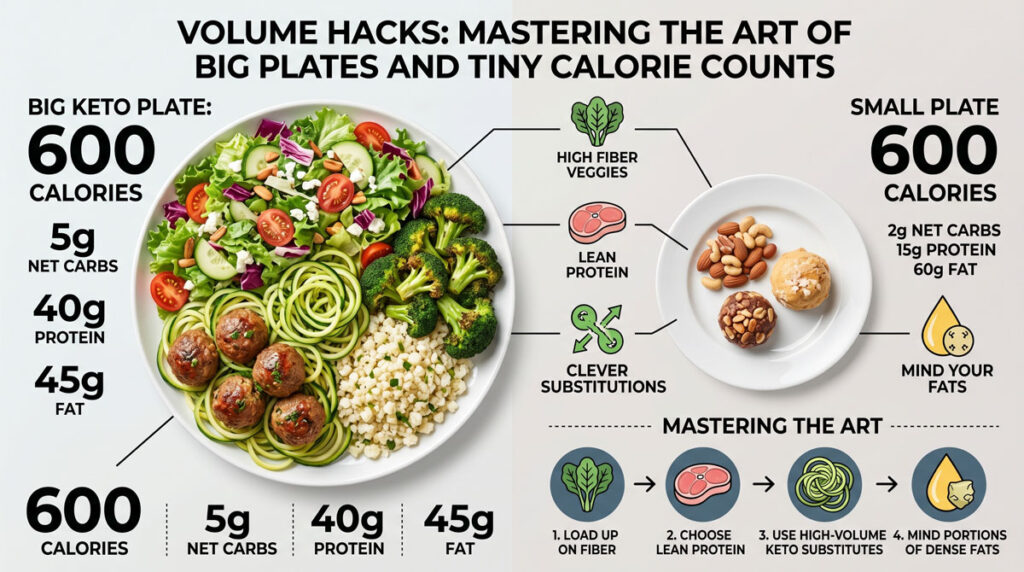
Before diving into a 1,200-calorie keto plan, it is crucial to make sure this level of restriction actually makes sense for your body and long-term goals. Rather than relying on arbitrary portion control, sustainable volume management depends on strategic meal architecture. Clinical guidance emphasizes that individuals must actively determine if reduced energy intake is physiologically appropriate before initiating strict dietary protocols. This assessment should be conducted alongside a keto-savvy nutrition professional to optimize macronutrient distribution and prevent metabolic adaptation errors.
Strategic Menu Architecture
High-volume, low-calorie intake on a ketogenic protocol is achieved through structured menu planning rather than ad hoc food selection. Developing a comprehensive shopping list ensures consistent access to nutrient-dense ingredients that support satiety without exceeding caloric thresholds. Implementing standardized 21-day kick-start meal plans provides a reproducible framework for maintaining nutritional ketosis while managing energy density. These pre-structured menus eliminate decision fatigue and enforce portion discipline, which is critical when operating within a 1200-calorie boundary.
Volume Optimization Through Food Selection
Prioritizing specific food categories directly influences plate volume relative to caloric load. Structured meal frameworks typically segment intake into high-volume components such as salads, lunch preparations, and lean protein-focused dinners. Incorporating fish-based and meat-based dinner protocols allows for substantial physical portion sizes while maintaining strict carbohydrate limitation. Tracking adherence through personalized KCL numbers enables precise weight maintenance without compromising metabolic flexibility. Continuous monitoring of ketone production remains essential to verify that caloric restriction does not disrupt the transition into nutritional ketosis.
2 - Precision Tracking: Why "Estimating" Your Intake is Often the Reason Progress Stalls
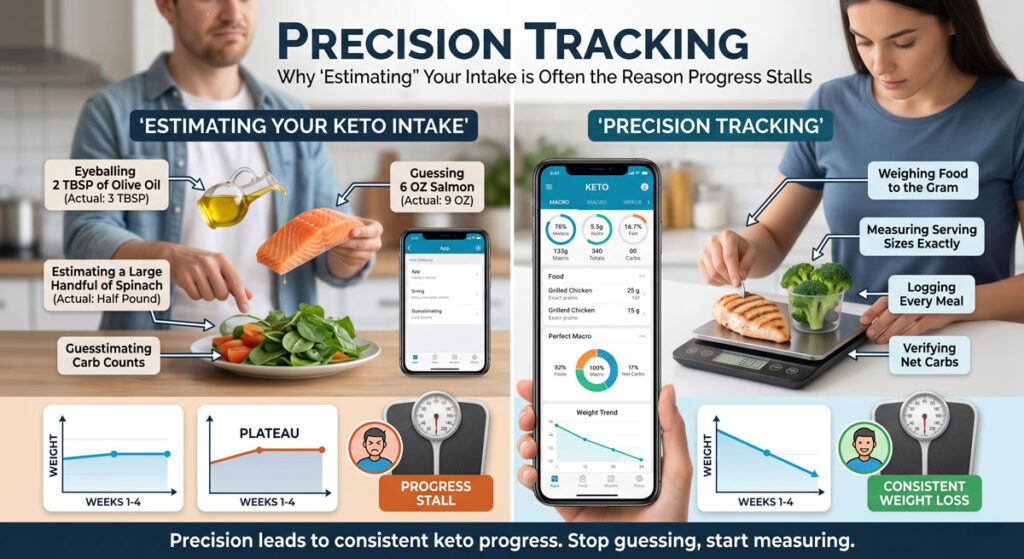
Even with a plate full of high-volume veggies and proteins, you will likely stall your progress if you aren't keeping a close, honest eye on exactly what you're consuming. Estimating portions frequently introduces hidden caloric and carbohydrate drift that rapidly halts fat adaptation. Clinical observation within ketogenic communities consistently identifies weight-loss stalls as a primary indicator of tracking deficiencies rather than metabolic failure. When individuals report plateaued results, the initial intervention is always to more carefully track food intake, macronutrient profiles, exercise output, and sleep patterns. This rigorous documentation typically reveals significant underreporting of dietary slippage that estimation methods fail to capture.
The KCL Threshold and Metabolic Drift
Navigating a 1200-calorie framework demands precise alignment with your individual Keto Carb Limit. This limit functions as the definitive metabolic threshold where weight loss ceases and maintenance or gain begins. Because this boundary varies significantly between individuals, generic estimation protocols are inherently unreliable. To sustain ketosis, you must operate consistently just below your verified KCL number by a calculated margin. Relying on visual portion guessing inevitably pushes carbohydrate consumption past this critical boundary. Continuous macro tracking eliminates ambiguity, ensuring that every meal reinforces the caloric deficit required for sustained adipose reduction without triggering glycogen replenishment or metabolic adaptation errors.
3 - Micronutrient Security: Avoiding the Deficiency Trap on a Restricted Calorie Plan
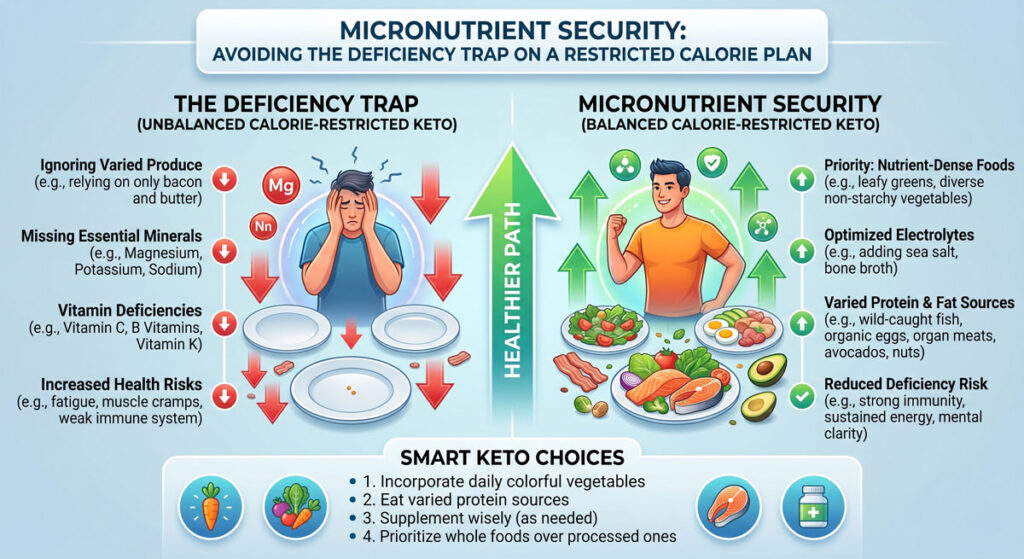
However, tracking your macros perfectly won't keep hunger at bay if your kitchen isn't stocked with the right stomach-filling, low-calorie ingredients. When energy intake is restricted, the margin for nutritional gaps narrows significantly. Relying solely on macro counting without evaluating ingredient density frequently leads to micronutrient depletion.
Prioritizing High-Density Food Sources
To prevent deficiency on a low-calorie ketogenic protocol, dietary composition must shift from mere proportion to absolute quality. Clinical guidance emphasizes that carbohydrates should exclusively originate from aboveground vegetables to maximize vitamin and mineral density while minimizing glycemic load. Protein intake requires animal-based sourcing to ensure complete amino acid profiles necessary for preserving lean mass during caloric deficit. Furthermore, fat selection directly influences cellular function; dietary fats must prioritize saturated and monounsaturated sources while actively reducing polyunsaturated fats. Maintaining an optimal 1:1 ratio of omega-3 to omega-6 fatty acids is critical for mitigating inflammation and supporting metabolic adaptation.
Clinical Monitoring During Restriction
Implementing a strict caloric framework requires continuous professional oversight. Caloric restriction can be highly effective initially, but it must be carefully weighed against individual health status to avoid adverse outcomes such as muscle wasting or appetite suppression. Individuals undergoing active treatment or managing advanced conditions require customized adjustments to prevent nutritional depletion. By anchoring meal architecture in high-quality whole foods and maintaining precise macro tracking, practitioners can sustain ketosis while guaranteeing adequate micronutrient delivery within a 1200-calorie boundary.
4 - The High-Volume Pantry: Essential Foods That Fill Your Stomach Without Breaking Your Limit

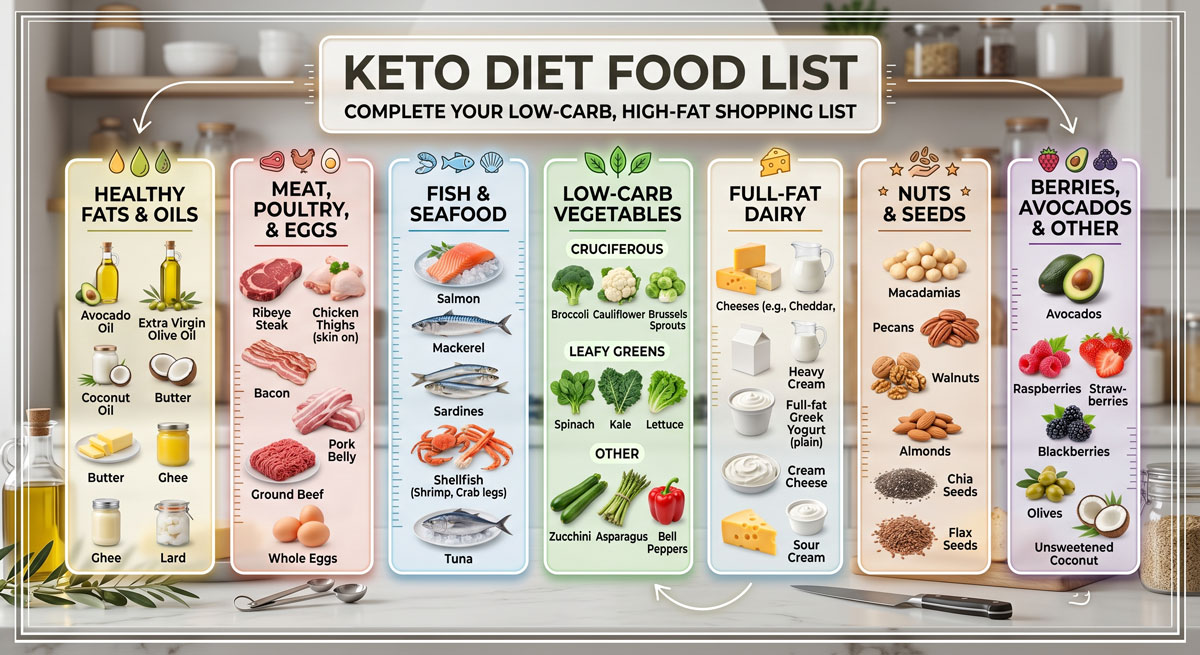
Once your pantry is filled with those high-volume staples, the next challenge is making sure those foods pack enough vitamins and minerals to keep you healthy on a restricted diet. Clinical guidance emphasizes that carbohydrates must exclusively originate from aboveground vegetables to maximize micronutrient density while preserving metabolic flexibility. For individuals requiring strict carbohydrate limitation, green leafy vegetables serve as the primary volumetric foundation, with some patients necessitating near-total carb omission based on individual tolerance thresholds. Establishing a personalized net carbohydrate target between 12 and 25 grams provides a reliable starting framework for maintaining ketosis across diverse metabolic profiles.
Protein Sourcing and Fat Architecture
Dietary protein must be sourced primarily from animal-based products, yet quantity requires careful moderation. Excessive protein consumption can trigger gluconeogenesis, directly interfering with ketone production and halting fat adaptation. Consequently, practitioners recommend selecting fattier cuts of meat while actively avoiding lean varieties to ensure adequate energy density. This approach aligns with the fundamental principle that ketogenic nutrition is inherently high-fat rather than high-protein.
Optimizing Lipid Profiles
Dietary fats should predominantly consist of saturated and monounsaturated sources, deliberately minimizing polyunsaturated fat intake. Maintaining an optimal 1:1 ratio of omega-3 to omega-6 fatty acids supports cellular function and mitigates inflammatory responses during caloric restriction. By anchoring pantry staples in these specific food categories, individuals can achieve substantial meal volume while strictly adhering to ketogenic macronutrient boundaries and preventing insulin-mediated metabolic disruption.
5 - The Psychology of 1,200: How to Stay Mentally Full When Your Portions Feel Small
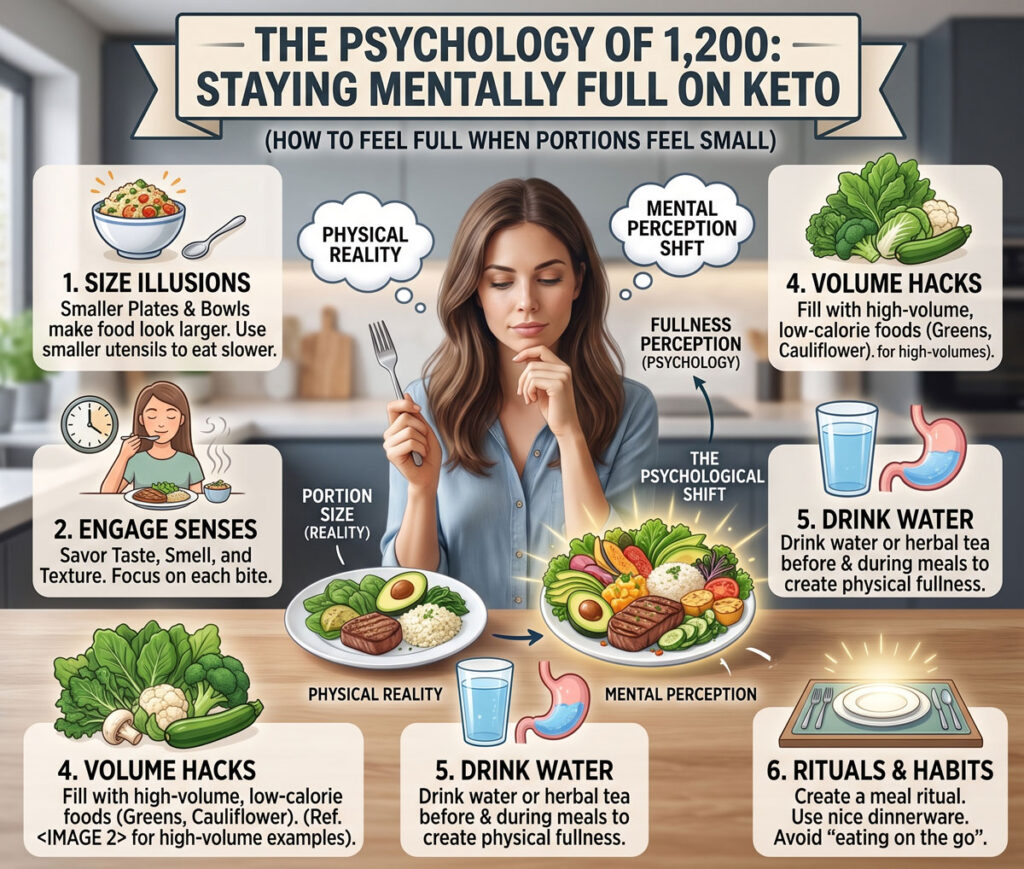
Yet, even when your body is getting all the physical nutrients it needs, your brain might still hit the panic button at the sight of smaller portions. Managing caloric boundaries successfully depends on shifting focus from arbitrary portion sizes to physiological satiety signals. Clinical observation confirms that calories are naturally regulated on a ketogenic diet when individuals eat to satisfaction rather than adhering to rigid numerical targets. This shift occurs because hunger is fundamentally controlled through macronutrient selection, eliminating the need for constant mental calculation or restriction anxiety.
Stabilizing Neurological Hunger Signals
Psychological fullness on a restricted caloric plan depends directly on hormonal regulation. Meals combining moderate protein with very low carbohydrates produce the least significant impact on blood glucose. Maintaining stable glucose levels and suppressing circulating insulin allows adipose tissue to release stored fat for cellular energy. When the body successfully utilizes endogenous fat stores, hunger signals naturally subside because metabolic demand is met without exogenous food intake. This physiological mechanism directly counters the mental perception of deprivation often associated with low-calorie diets.
Personalizing Caloric Boundaries
Implementing a 1,200-calorie baseline requires careful individualization rather than universal application. Clinical guidelines establish lower caloric limits between 1,200 and 1,500 calories for women, while men typically require 1,600 to 2,200 calories based on age, current weight, and activity level. A calorie-restricted ketogenic protocol virtually guarantees the induction of nutritional ketosis, stabilizing blood glucose and optimizing metabolic ratios. However, determining whether caloric restriction is physiologically appropriate requires professional assessment. Working with a keto-savvy nutrition specialist ensures that mental satisfaction aligns with metabolic safety during the transition period.
6 - Low-Calorie Culinary Secrets: Using Technical Cooking Methods to Add Bulk and Flavor

To beat those mental hurdles and stay satisfied, you have to get clever in the kitchen with cooking methods that make 1,200 calories look and taste like a feast. Effective low-calorie ketogenic cooking relies on structured preparation rather than improvisation. Allocating two to three hours over weekends or free weeknights for dedicated meal planning and batch cooking establishes the necessary foundation for consistent caloric adherence. This systematic approach eliminates daily decision fatigue and ensures high-volume ingredients are readily available.
Strategic Fat Integration
Culinary bulk on a restricted-calorie ketogenic diet does not require excessive dietary fat to meet arbitrary macronutrient targets. Clinical guidance indicates that fat intake should be calibrated strictly for satiety rather than forced macro compliance. Incorporating targeted fats, such as butter or almond butter, onto vegetables and proteins enhances meal volume without disrupting metabolic adaptation. However, individuals must assess digestive capacity before implementing high-fat culinary techniques. Preexisting gallbladder dysfunction can severely impede fat digestion; addressing these physiological constraints with a healthcare provider is imperative prior to increasing dietary lipid density.
Adaptive Meal Architecture
Initial 21-day structured meal plans provide a reliable starting framework, but long-term success requires culinary flexibility. Once metabolic adaptation occurs, individuals should adjust cooking methods based on real-time satiety signals and caloric efficiency. Minimizing fat to accelerate body fat reduction is physiologically acceptable during periods of heightened metabolic efficiency, provided carbohydrate and protein percentages remain sustainable. Technical cooking strategies must prioritize digestive compatibility over standardized ketogenic dogma.
7 - Social Dining Strategy: How to Maintain a 1,200-Calorie Limit While Eating at Restaurants

Of course, those clever cooking tricks only work at home, which means you need a solid game plan when heading out to eat with friends.Maintaining a strict 1,200-calorie framework demands strategic food selection rather than arbitrary portion reduction. Clinical guidance emphasizes that fats and proteins must constitute the primary components of any dining-out meal. To preserve metabolic stability, individuals should actively prioritize high-quality dietary lipids available on restaurant menus while systematically eliminating carbohydrate-dense accompaniments.
Caloric Calibration and Fat Adaptation
Operating within a 1,200-calorie baseline requires dynamic adjustment of lipid intake based on actual energy expenditure. While general protocols suggest restricting carbohydrates to approximately fifty grams daily and consuming dietary fat to satiety, restaurant environments often introduce hidden caloric density. Consequently, physiological fat requirements will fluctuate according to real-time metabolic demand. If physical activity increases or energy needs shift, caloric intake must be recalibrated accordingly rather than adhering rigidly to static macro targets.
Sustaining Nutritional Ketosis Externally
A calorie-restricted ketogenic approach virtually guarantees the induction of nutritional ketosis when carbohydrate intake is minimized and protein remains moderate. By selecting meals that stabilize blood glucose through high-fat composition and very low carbohydrates, diners can prevent insulin-mediated fat storage while remaining within prescribed energy limits. Continuous monitoring ensures external dining does not disrupt sustained metabolic adaptation.
8 - The Maintenance Bridge: How to Safely Increase Your Intake After Reaching Your Goal
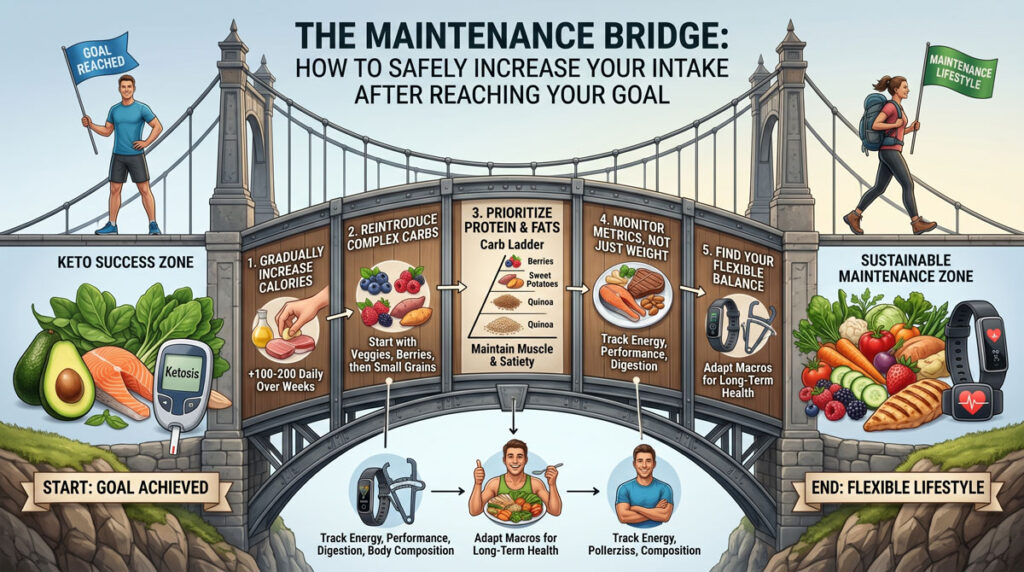
Whether you are navigating restaurant menus or cooking at home, the ultimate goal is hitting your target weight—at which point, you will need to know how to safely ease out of that 1,200-calorie deficit. Abruptly increasing energy intake often triggers rapid glycogen replenishment, masking true fat loss progress. A structured maintenance bridge prevents metabolic shock while preserving adipose reduction.
Gradual Caloric and Macronutrient Adjustment
The initial phase of dietary expansion must prioritize lipid reintroduction over carbohydrate loading. Clinical protocols recommend gradually increasing your intake of dietary fats while simultaneously eliminating foods with added sugars to stabilize insulin sensitivity. As caloric density rises, continuous weight monitoring is essential. If you can hold your weight steady during this recalibration period, you may safely proceed to slowly transition back to a structured ketogenic pattern over several weeks. This phased approach allows hormonal regulators to adapt without triggering rapid fat rebound.
Shifting from Rigid Macros to Metabolic Flexibility
Long-term dietary sustainability requires abandoning rigid macronutrient compliance in favor of physiological adaptation. When you achieve metabolic flexibility, forced consumption of extra fat to meet arbitrary targets becomes unnecessary. Your dietary lipid intake should be calibrated strictly for satiety rather than ketone production metrics. Consequently, carbohydrate and protein percentages may naturally rise above standard parameters during periods of heightened caloric efficiency, which is physiologically acceptable. Maintaining metabolic health involves adapting fuel sources based on specific goals and genetic attributes rather than permanent restriction. Professional oversight remains critical to ensure this transition aligns with individual baselines.
9 - Activity Balancing: Adjusting Your 1,200-Calorie Plan for High-Energy Days and Exercise
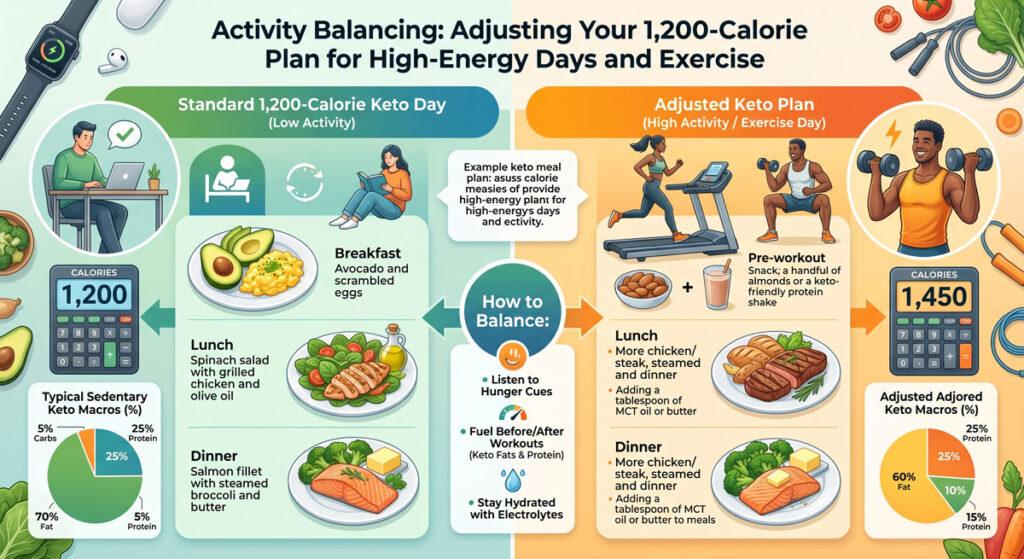
As you begin to adjust your daily intake for maintenance, you must also factor in how your calorie needs shift on days when you hit the gym or are highly active. Clinical guidelines establish that increased physical activity directly elevates metabolic demand; therefore, daily caloric consumption must be systematically modified based on actual exertion levels.
Exercise-Induced Metabolic Shifts
Strategic physical activity serves as a critical catalyst for sustaining nutritional ketosis during caloric restriction. Moderate to intense exercise rapidly depletes stored glycogen, compelling the body to accelerate lipid oxidation and maintain blood ketone concentrations above 0.5 mmol/L. To effectively utilize this mechanism, individuals should engage in sustained physical output ranging from forty-five to sixty minutes per session, calibrated according to workout intensity. While initial muscle adaptation to fatty acid oxidation requires several weeks to months, successful metabolic flexibility ultimately provides a distinct physiological advantage for endurance capacity.
Dynamic Caloric and Macronutrient Adjustment
Operating on a restricted baseline does not require rigid macronutrient compliance when activity levels fluctuate. During periods of heightened caloric efficiency driven by exercise, minimizing dietary fat is physiologically sound, permitting carbohydrate and protein percentages to naturally increase without compromising ketosis. Standard restriction parameters typically set lower limits between 1,200 and 1,500 calories for women, and 1,600 to 2,200 for men, with precise thresholds determined by age, current mass, and activity volume. Aligning dietary intake with real-time energy expenditure ensures sustained fat adaptation while preventing metabolic downregulation.
10 - Activity Balancing: Adjusting Your 1,200-Calorie Plan for High-Energy Days and Exercise
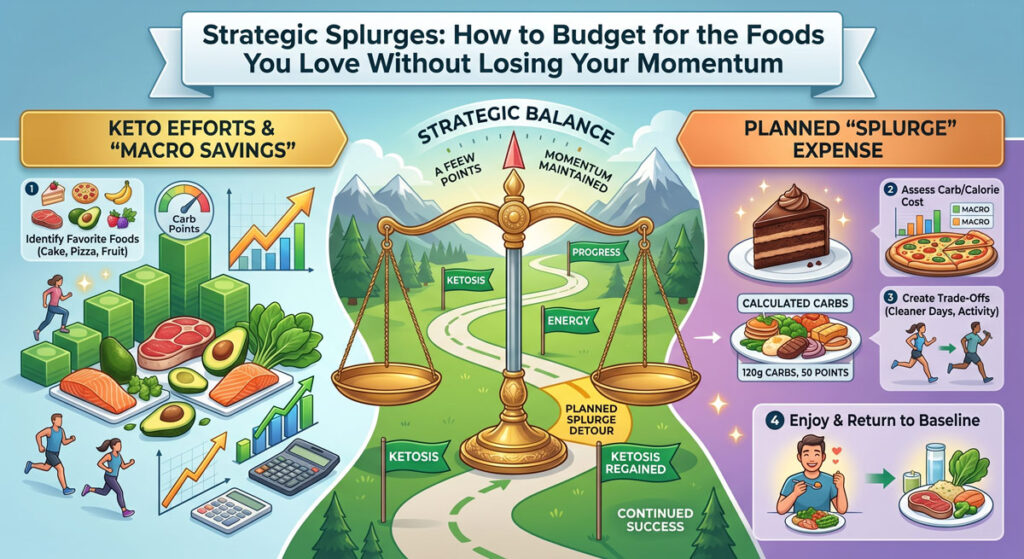
By understanding how your changing activity levels impact your daily budget, you can actually carve out room for guilt-free treats that keep you sane and on track. Clinical navigation protocols emphasize that individuals must continuously evaluate whether their current caloric intake aligns with daily exertion levels. When engaging in high-energy days or structured exercise, metabolic demand shifts rapidly, necessitating dynamic adjustments to macronutrient distribution and portion sizing.
Monitoring Physiological Feedback
Sustaining a 1,200-calorie baseline while increasing physical activity demands careful attention to somatic signals. Individuals should assess daily energy expenditure against subjective metrics such as fatigue levels, presentation stamina, and overall physical resilience. If high-energy output compromises functional capacity, caloric parameters must be recalibrated under professional supervision. Working with a keto-savvy nutrition specialist ensures that exercise-induced glycogen depletion does not trigger adverse metabolic adaptation or excessive muscle catabolism.
Structured Navigation During Exertion
Navigating dietary restrictions alongside increased physical demand requires systematic tracking and adaptive planning. Utilizing established navigation frameworks allows practitioners to identify when caloric intake must be temporarily elevated to support recovery without disrupting long-term ketosis goals. Implementing a structured six-week commitment period provides the necessary timeframe for metabolic flexibility to develop, enabling the body to efficiently utilize lipid stores during high-output activities. Continuous alignment with medical and nutritional guidance ensures that activity balancing remains physiologically sustainable.