Preparation Time: 10 minutes (Adjusted for accuracy) Cooking Time: 40 minutes Servings: 4
Ingredients:
- 25 oz (708g) salmon fillets
- 15 oz (425g) cauliflower florets (approx. 4 cups)
- 14 oz (396g) coconut cream (approx. 1.75 cups)
- 1 oz (28g) olive oil (approx. 2 tbsp)
- 2 oz (56g) butter (approx. 4 tbsp)
- Chef's Addition for the "Curry": 1 tbsp (15g) Thai red or yellow curry paste
- Chef's Addition: 1 tsp (5g) sea salt and 0.5 tsp (2.5g) black pepper
Directions:
- Preheat the oven to 400°F (200°C) and lightly coat the bottom of your baking tray with 0.5 tbsp (7g) of the olive oil to prevent sticking.
- Season the 25 oz (708g) of salmon generously with the 1 tsp (5g) of salt and 0.5 tsp (2.5g) of black pepper, then lay the fillets flat in the baking tray.
- Slice the 2 oz (56g) or 4 tbsp of butter into small pieces and place them evenly over the top of all the salmon pieces.
- In a small mixing bowl, vigorously whisk the 14 oz (396g) of coconut cream, the 1 tbsp (15g) of Thai curry paste, and the remaining 1.5 tbsp (21g) of olive oil until fully combined to create your cream mixture.
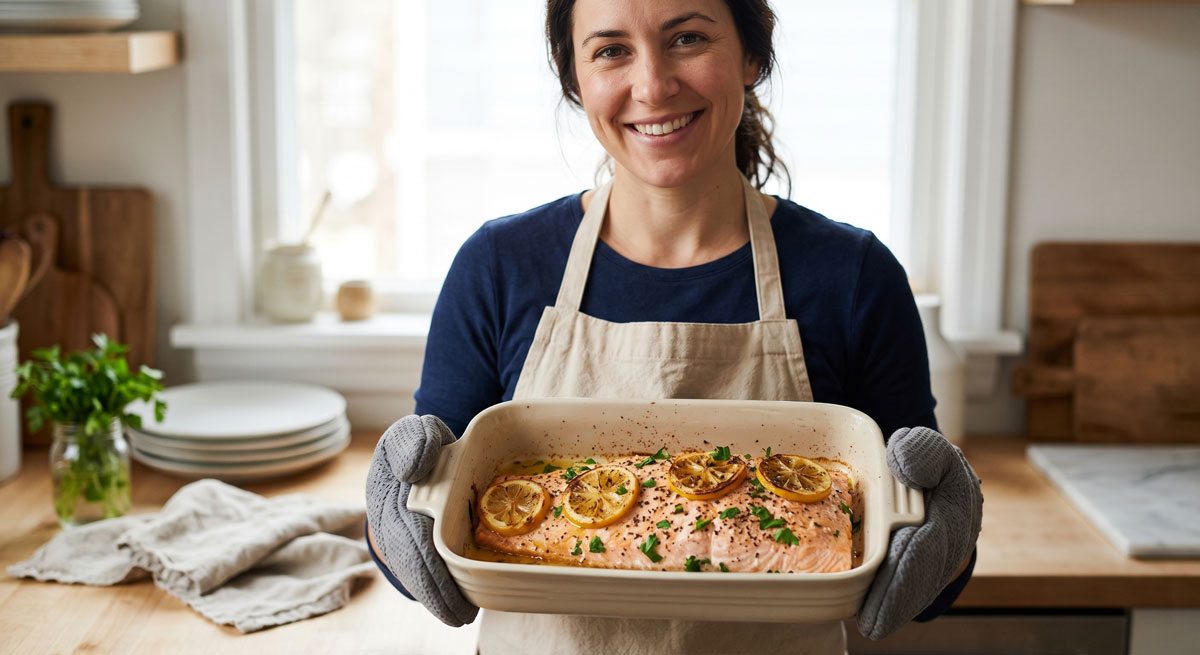
- Pour this coconut curry cream mixture directly over the fish in the baking tray, then bake for 15 to 20 minutes until the salmon is cooked through and flakes easily.
- While the salmon bakes, bring a medium pot of salted water to a rolling boil, add the 15 oz (425g) of cauliflower florets, and boil for exactly 5 minutes.
- Strain the water completely, return the cauliflower to the warm pot to evaporate excess moisture, and mash the florets coarsely.
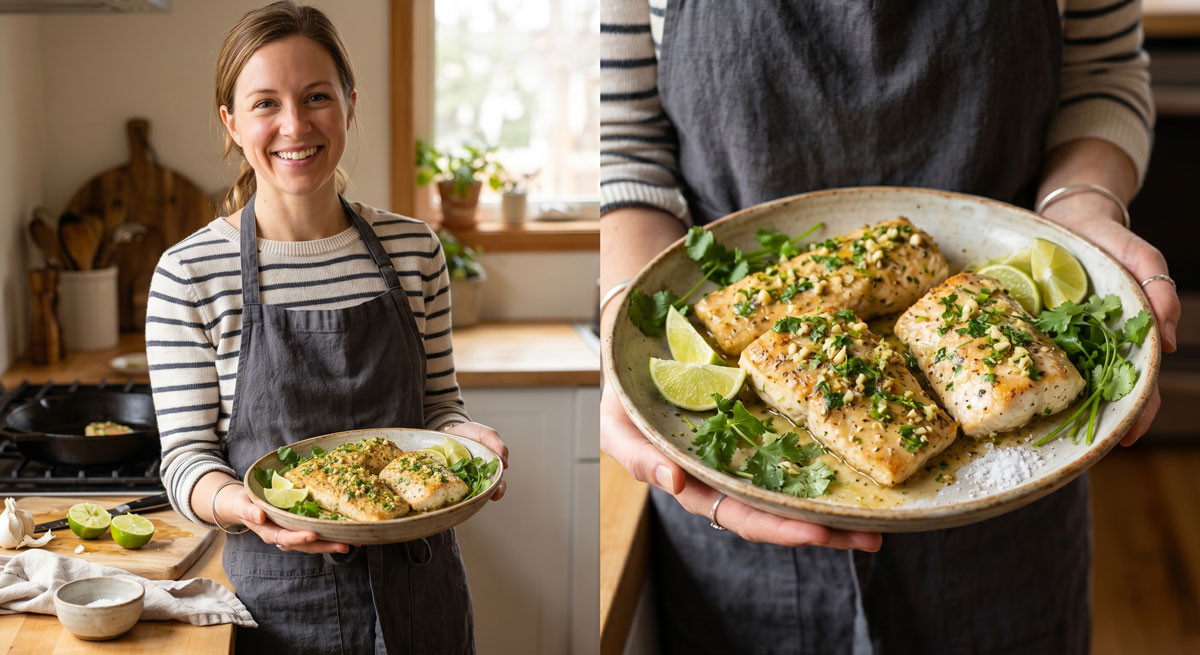
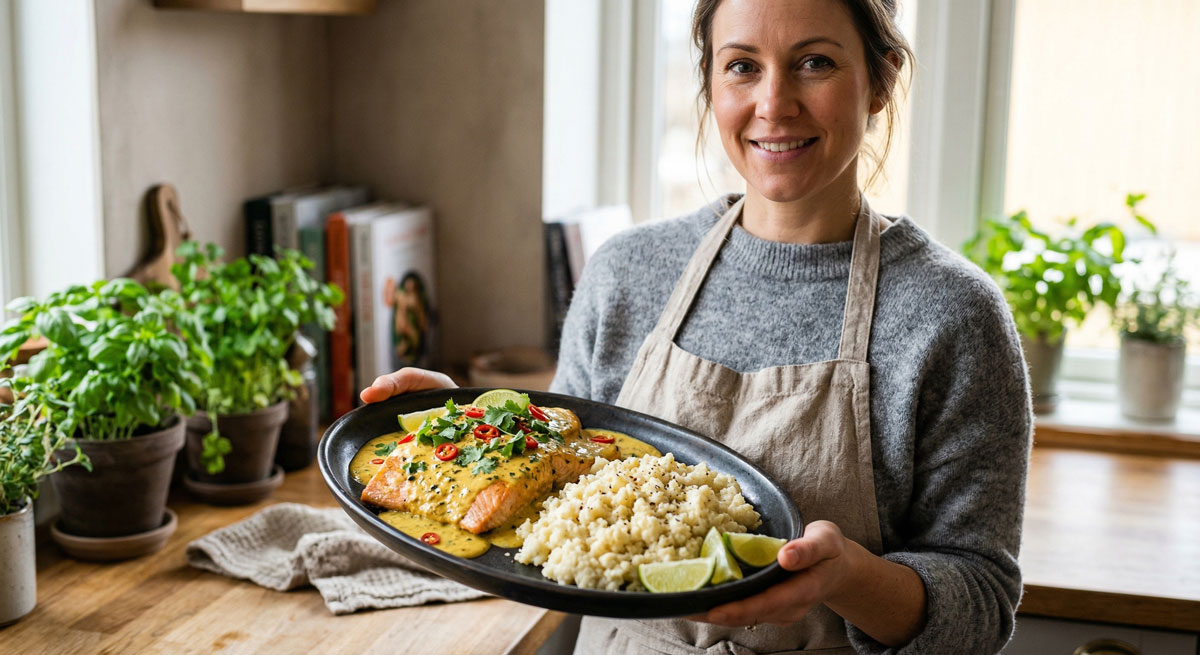
- Divide the mashed cauliflower among four plates, top each with a portion of the baked salmon, spoon the warm coconut curry sauce from the tray over the top, and serve immediately.
Nutritional Information (Per Serving)
- Calories: 808 kcal
- Carbohydrates: 12g
- Protein: 42g
- Fat: 75g
🧑🍳 Chef's Pro Tips for the Perfect Keto Thai Fish
- Dry Your Cauliflower: Nothing ruins a great mash like excess water. After boiling and draining the cauliflower, return it to the hot, dry pot for 1–2 minutes over low heat. This allows the residual steam to evaporate, guaranteeing a thick, creamy mash instead of a watery one.
- Prevent Overcooked Salmon: Fish cooks quickly and continues to cook slightly even after it leaves the oven (carryover cooking). Start checking your salmon at the 12-minute mark. It is ready when it flakes easily with a fork but still has a slightly translucent, moist center.
- Full-Fat is Essential: Stick exclusively to full-fat canned coconut cream (avoid "lite" coconut milk or carton coconut milk). Full-fat cream is vital for thickening the curry sauce naturally without starches and hitting those high-fat keto macros.
- Balance with Acid: Because this dish is beautifully rich in healthy fats (butter, olive oil, coconut cream, and salmon), it benefits greatly from a bright finish. Garnish with a squeeze of fresh lime juice and chopped cilantro right before serving to elevate the entire flavor profile.
❓ Frequently Asked Questions (FAQ)
Can I use frozen salmon for this Keto Thai Fish recipe? Yes, you can absolutely use frozen salmon. Just ensure the fillets are completely thawed in the refrigerator overnight and thoroughly patted dry with paper towels before seasoning. Removing excess moisture prevents the coconut curry sauce from becoming watered down during baking.
What other types of fish work well with Thai coconut curry? If you prefer not to use salmon, firm white fish varieties like cod, halibut, sea bass, or mahi-mahi are fantastic substitutes. They hold together perfectly during roasting and beautifully absorb the rich flavors of the coconut cream and curry paste.
How long do leftovers of this coconut curry salmon last in the fridge? You can store leftover Keto Thai Fish and cauliflower mash in an airtight container in the refrigerator for up to 3 days. For the best texture, reheat gently on the stovetop over low heat or in the microwave at 50% power so the fish doesn't dry out and the coconut sauce doesn't separate.
Is this Thai fish recipe dairy-free? As written, the recipe is not dairy-free because it includes butter. However, it is very easy to adapt! Simply swap the 4 tablespoons of butter for an equal amount of ghee or extra virgin coconut oil to make the dish 100% dairy-free while maintaining its keto-friendly profile.