Flavor Without the Sugar: The Ultimate Guide to Keto-Friendly Condiments and Sauces
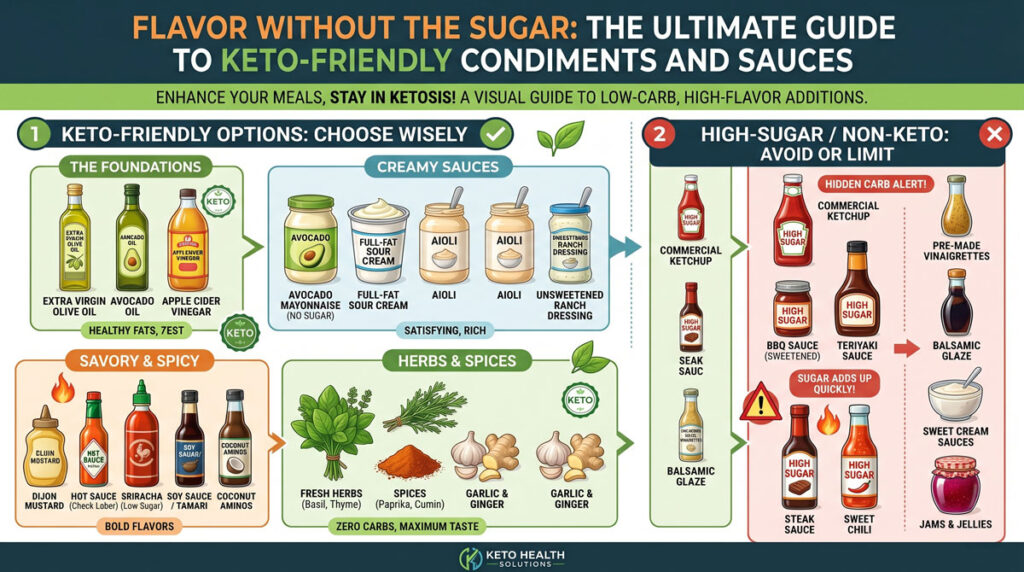
Evaluating Condiment Selection Within Keto Parameters
Navigating the landscape of sauces and flavor enhancers requires strict adherence to the framework established in Chapter 4, which focuses on choosing keto-appropriate foods and ingredients. Any condiment introduced into a ketogenic regimen must be evaluated against the foundational criteria outlined in the Food Shopping List for Creating Ketosis. The primary objective is ensuring that every added ingredient aligns with your designated fat targets and maintains the precise macro intake ratios necessary to sustain nutritional ketosis. When reviewing product labels, prioritize items that do not disrupt your established metabolic parameters. Consistent application of these selection protocols directly supports operational efficiencies such as meal prepping and saving money, as it eliminates guesswork during grocery acquisition. Furthermore, maintaining rigorous oversight of condiment composition prevents hidden carbohydrate accumulation, which can derail progress toward your clinical targets. By systematically cross-referencing potential flavor additions against the approved ingredient lists and macro tracking methodologies provided in the source material, individuals can safely enhance dietary variety without compromising metabolic adaptation. This methodology aligns with the comprehensive guidance provided for creating a personal plan, ensuring that flavor optimization remains strictly secondary to metabolic consistency.
Having established how to navigate condiments without disrupting metabolic states, the next critical component of a ketogenic framework involves protein selection and sourcing.
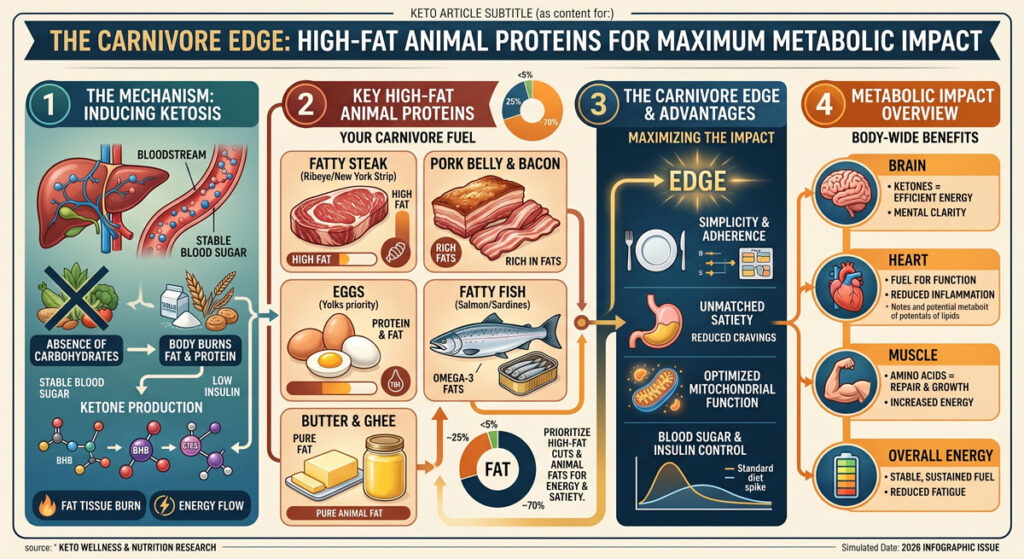
Prioritizing High-Quality Animal Proteins
When constructing a keto-appropriate diet, prioritizing high-quality animal proteins is essential for maintaining metabolic efficiency. Select meats from pasture-raised animals, as they possess a significantly healthier fat profile compared to grain-fed counterparts. Poultry should be sourced free-range, with organic certification providing additional nutritional benefits. While most animal meats contain negligible carbohydrates, specific items such as eggs, shellfish, and liver do contain trace amounts that must be accurately tracked within your daily carbohydrate allowance.
Optimizing Fat Content for Ketogenic Adaptation
Dietary fat remains a cornerstone of ketosis, making the selection of fattier protein cuts strategically important. Moderating protein intake to align with your personal threshold is critically necessary for optimal ketone production. Consequently, selecting higher-fat meat varieties maximizes metabolic efficiency without requiring artificial macro manipulation. If you are metabolically flexible, dietary fat should be consumed strictly to achieve satiety rather than to artificially inflate ketone levels. This approach allows carbohydrate and protein percentages to naturally adjust during periods of heightened caloric efficiency, supporting sustainable body composition changes. Furthermore, incorporating these fattier cuts into nutrient-dense preparations, such as slow-simmered broths, enhances both vitamin intake and textural quality while maintaining strict adherence to ketogenic parameters.
Fermented Superfoods: Boosting Gut Health with Low-Carb Probiotic Staples
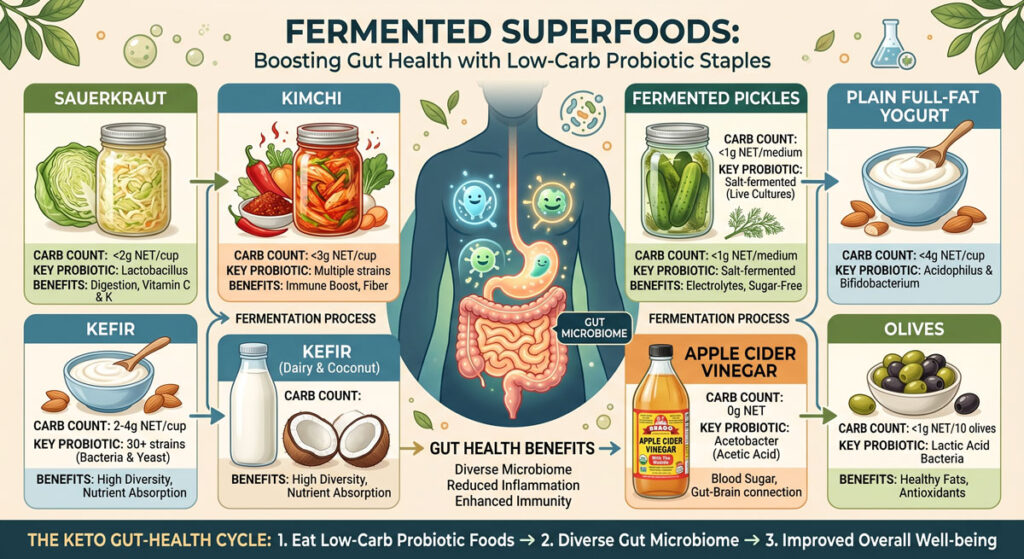
Once your gut is happy and loaded with healthy probiotics, it’s time to focus on the essential fats your body literally cannot make on its own. The human microbiome undergoes distinct compositional shifts when dietary intake is heavily weighted toward fats and protein while minimizing carbohydrates. Clinical observations indicate that specific microorganisms naturally colonize the gastrointestinal tracts of individuals who consume a healthy diet rich in fats and protein and low in carbohydrates.
Accelerating Microbial Adaptation Through Targeted Probiotics
Introducing fermented staples containing these particular microorganisms serves as a strategic intervention for accelerating metabolic transition. When you take a probiotic with those particular microorganisms, your gut will adapt to a keto lifestyle more quickly and you'll experience greater energy and health. This accelerated adaptation mitigates the gastrointestinal discomfort often associated with early-stage dietary shifts, allowing individuals to maintain strict carbohydrate thresholds without compromising digestive function.
Selecting Low-Carb Fermented Staples
Optimizing fermented food selection requires rigorous label analysis to ensure zero hidden sucrose or maltodextrin. Prioritize naturally cultured matrices that support the specific microorganisms identified in low-carbohydrate dietary patterns. These fermented foods not only support digestive homeostasis but also facilitate efficient nutrient processing during periods of heightened caloric efficiency. By systematically integrating these low-carb probiotic staples, practitioners can stabilize gastrointestinal function while reinforcing the metabolic flexibility required for long-term nutritional ketosis.
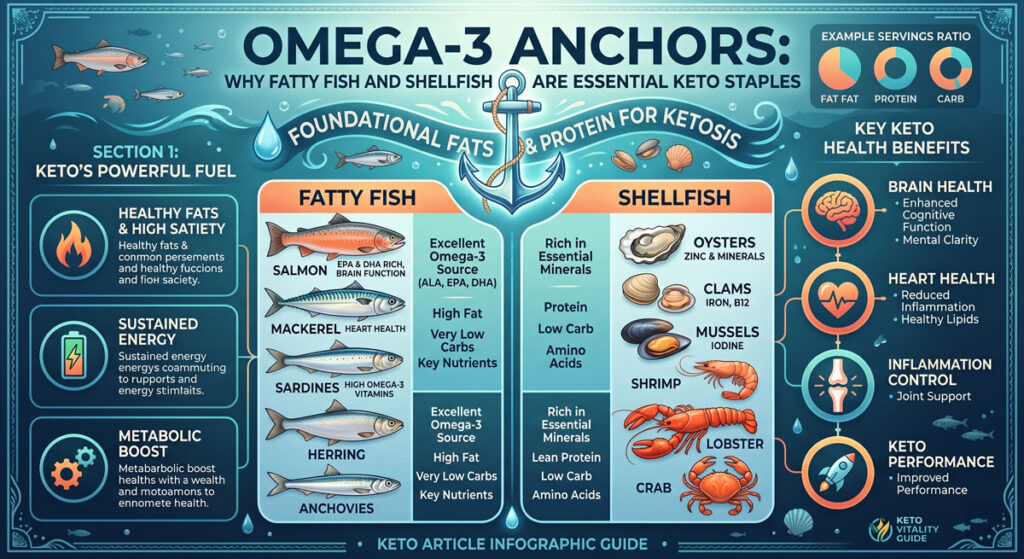
Omega-3 Anchors: Why Fatty Fish and Shellfish Are Essential Keto Staples
But let's be real—you can't eat salmon and sardines every single day. To keep this lifestyle sustainable and your micronutrients high, you need to seriously mix up your land-based proteins.
Essential Lipid Requirements and Cellular Integration
Omega-3 fatty acids are classified as essential nutrients because the human body lacks the enzymatic pathways to synthesize them de novo. These lipids serve as fundamental structural components of cellular membranes, directly influencing membrane fluidity and receptor function. The primary bioactive forms, eicosapentaenoic acid (EPA) and docosahexaenoic acid (DHA), are critical for modulating systemic inflammation and supporting neurological integrity. While plant-derived alpha-linolenic acid (ALA) provides an energy substrate, its conversion to long-chain EPA and DHA is inefficient, necessitating direct dietary intake of marine sources.
Clinical Dosage and Sourcing Protocols
Establishing a consistent omega-3 protocol requires precise sourcing and dosage management. Clinical guidelines recommend consuming two or more 3.5-ounce servings of wild-caught fatty fish weekly to maintain baseline inflammatory control. For individuals requiring targeted supplementation, a daily intake of 1 to 2 grams of combined DHA and EPA is standard practice. Krill oil offers superior bioavailability compared to traditional fish oil formulations, making it an efficient delivery mechanism for these essential lipids. Practitioners must exercise caution with dosage, as high concentrations of omega-3s exert a measurable anticoagulant effect that requires monitoring. Furthermore, verifying independent laboratory testing is mandatory when selecting supplements, given the prevalence of mislabeled farmed fish products in commercial supply chains. Prioritizing wild-caught marine sources ensures optimal lipid profiles while supporting long-term metabolic and cardiovascular homeostasis.
Beyond the Bird: Exploring Game Meats and High-Fat Poultry for Variety

While marine sources provide critical lipid profiles, terrestrial protein diversification remains essential for long-term dietary adherence and micronutrient density. Expanding beyond standard poultry introduces a broader spectrum of fatty acid compositions and trace minerals necessary for sustained metabolic adaptation.
Prioritizing High-Fat Poultry Variants
Standardized poultry cuts often lack the necessary lipid matrix to support sustained ketosis. Selecting fattier anatomical regions, such as chicken thighs and legs over lean breast meat, ensures adequate caloric density without requiring artificial fat supplementation. When processing poultry, prioritize organic, free-range sourcing to optimize nutrient profiles. Furthermore, maintaining high-fat ratios is non-negotiable for maximizing ketogenic effect; lean alternatives like turkey bacon or low-fat sausage formulations should be strictly avoided.
Integrating Wild Game and Organ Meats
Incorporating wild game meats diversifies the fatty acid profile while reducing exposure to agricultural contaminants. Recommended terrestrial proteins include organic, grass-fed beef, bison, buffalo, elk, goat, lamb, and venison. These pasture-raised options align with foundational keto staples that support metabolic adaptation. Additionally, organ meats such as liver, kidney, heart, and tongue deliver concentrated micronutrients essential for enzymatic function. Clinical protocols suggest integrating these nutrient-dense cuts into slow-simmered preparations to enhance bioavailability while maintaining strict macronutrient alignment. By systematically rotating between high-fat poultry and diverse game proteins, practitioners can sustain metabolic flexibility without compromising dietary adherence or nutritional completeness.
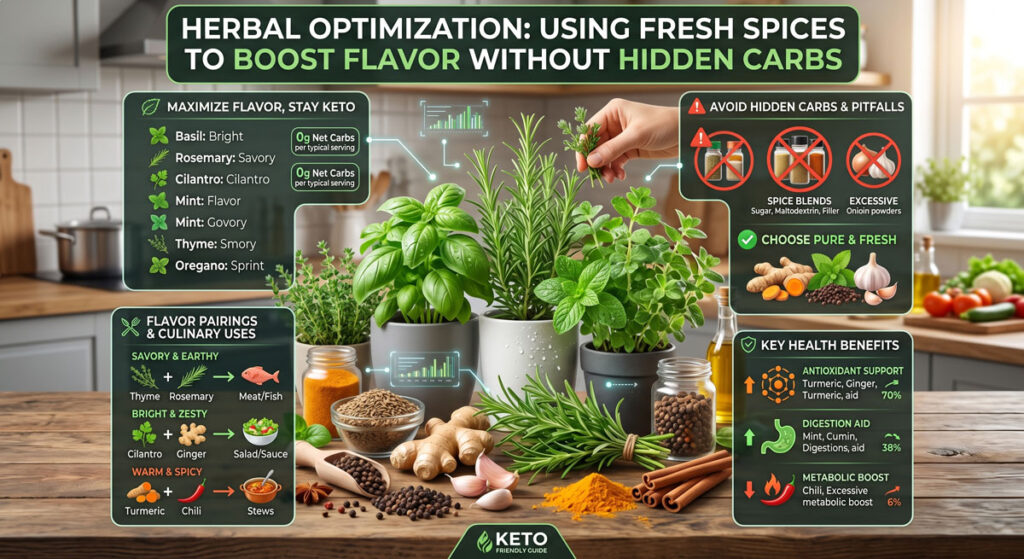
Herbal Optimization: Using Fresh Spices to Boost Flavor Without Hidden Carbs
Now that your meals taste incredible, let's talk about the ultimate keto cheat code: organ meats. They deliver a massive, bioavailable punch of vitamins and minerals without relying on a single plant-based carb. Fresh herbs serve as both metabolic catalysts and essential nutrient-dense additives that enhance palatability without compromising carbohydrate thresholds.
Prioritizing High-Density Botanical Additives
Integrating fresh herbs such as parsley, thyme, rosemary, sage, ginger, oregano, peppermint, and basil provides significant micronutrient benefits while maintaining strict macronutrient alignment. Clinical observations indicate that certain botanicals offer exceptional antioxidant density; for instance, fresh oregano contains eight times the antioxidant capacity of spinach. These compounds support cellular rejuvenation and assist in mitigating physiological stress during metabolic adaptation. Because these herbs deliver concentrated vitamins and minerals more efficiently than high-sugar fruits, they represent an optimal strategy for maintaining nutritional adequacy while adhering to low-carbohydrate parameters.
Mitigating Hidden Carbohydrate Risks
While pure botanicals are inherently safe, commercial spice blends require rigorous label analysis. Many pre-packaged seasoning mixes utilize starches or sugars as flow agents to prevent clumping. Practitioners must carefully verify ingredient lists to exclude hidden carbohydrate sources that could disrupt ketosis. When fresh herbs are unavailable, dried alternatives such as dried basil, oregano leaves, rosemary, thyme, and garlic powder provide reliable flavor enhancement without metabolic interference. By systematically selecting pure spices and verifying commercial formulations against strict carbohydrate thresholds, individuals can sustain dietary variety while preserving operational ketone production.
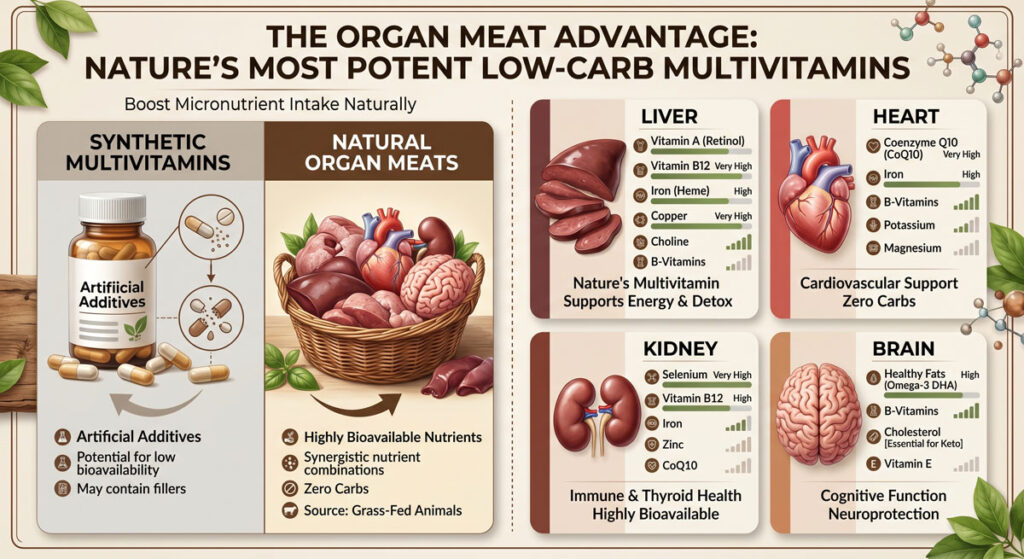
The Organ Meat Advantage: Nature’s Most Potent Low-Carb Multivitamins
Of course, a well-rounded plate still needs some color and crunch. You just have to know exactly which in-season veggies will keep your macros perfectly balanced without kicking you out of ketosis.
Prioritizing Glandular Tissue for Micronutrient Density
Historical nutritional frameworks recognized organ meats as superior to standard muscle cuts due to their profound micronutrient profiles. Clinical analysis confirms that beef liver contains fifty times the vitamin B₁₂ concentration of conventional steak, establishing it as a foundational low-carb superfood. Free-range glandular tissues deliver concentrated arrays of B vitamins, vitamin A, selenium, and folate, surpassing the nutrient density of high-volume leafy greens like kale and spinach. Contrary to historical misconceptions regarding hepatic toxin accumulation, the liver functions primarily as a metabolic filtration system that actively excretes substances from the body.
Enzymatic Cofactors and Metabolic Support
The biological utility of these organ meats extends beyond basic nutrition. B vitamins extracted from glandular sources function as essential cofactors in enzymatic reactions, directly supporting healthy metabolism and neurological integrity. When integrated into a ketogenic framework, these micronutrients facilitate efficient fat oxidation and sustain cellular energy production without introducing exogenous carbohydrates. For individuals who require dietary flexibility or experience gastrointestinal sensitivity to whole organ meats, concentrated supplement formulations provide an equivalent nutrient delivery mechanism while maintaining strict macronutrient alignment. Systematic inclusion of glandular tissues ensures comprehensive vitamin saturation, optimizing the biochemical environment required for sustained nutritional ketosis.
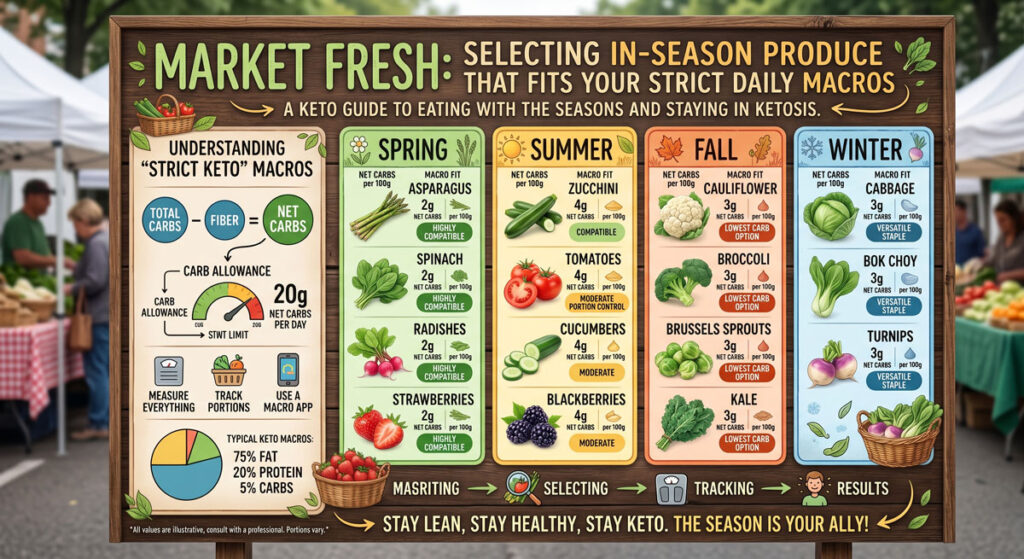
Market Fresh: Selecting In-Season Produce That Fits Your Strict Daily Macros
Prioritizing Non-Starchy Vegetables and High-Fat Botanicals
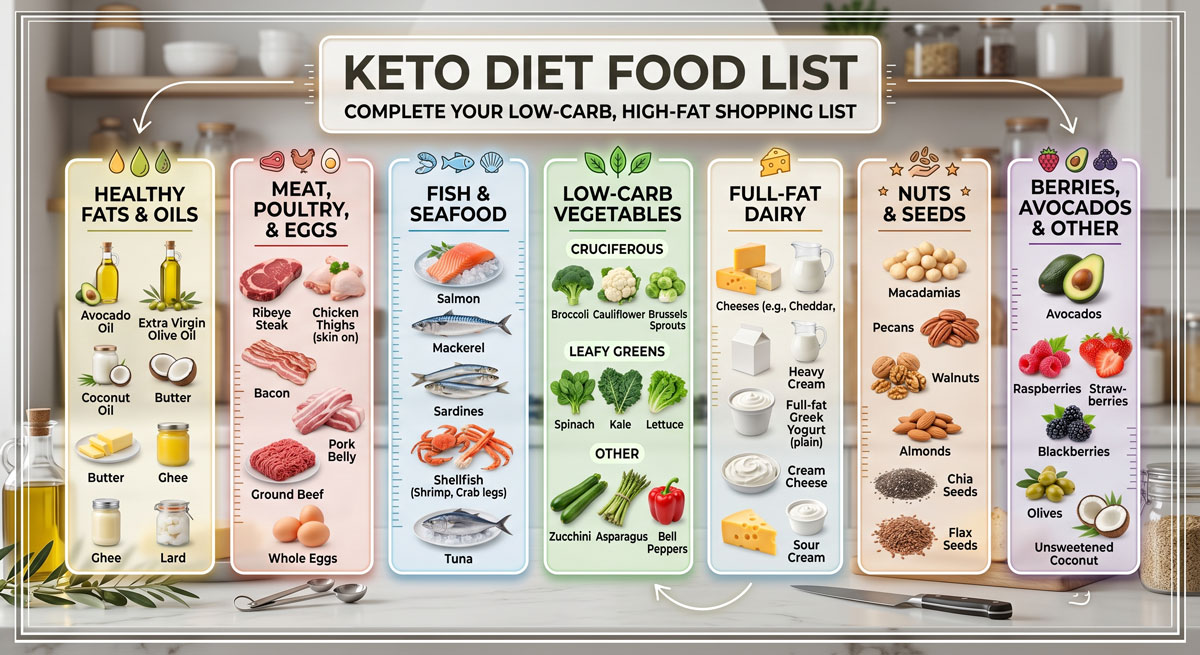
Clinical protocols emphasize greens and non-starchy vegetables as the primary carbohydrate source during ketosis. Recommended botanical selections include cruciferous varieties such as broccoli, cauliflower, and Brussels sprouts, alongside kale, cabbage, asparagus, celery, cucumber, zucchini, and summer squash. Sprouts and shoots provide essential micronutrients while maintaining low glycemic impact. Avocados are specifically prioritized due to their high concentration of beneficial lipids.
Calculating Net Carbohydrates and Fruit Integration
Accurate macro tracking necessitates a clear understanding of carbohydrate classification. When evaluating produce labels, subtract dietary fiber from total carbohydrates to determine net carbs, as fiber does not convert to glucose during digestion. However, some clinical frameworks recommend counting total carbohydrates without fiber subtraction to maintain stricter blood glucose stability. Fruit integration requires strict portion control within the daily allowance. Limited servings of fresh or frozen blueberries, blackberries, and raspberries can be incorporated, provided their net carb counts are logged against your designated 20-gram threshold. For tighter glycemic control, restricting carbohydrate intake to fewer than seven grams per meal ensures optimal metabolic adaptation. Additionally, incorporating indigestible fibers that do not convert to blood sugar supports prebiotic function without compromising ketone production. Systematic selection of low-carb botanicals guarantees dietary adherence.
The Keto Survival Kit: Essential Non-Perishables for Travel and Emergencies

Maintaining metabolic consistency during travel requires rigorous scrutiny of commercial food packaging. Manufacturers frequently utilize labeling loopholes that can inadvertently disrupt ketosis if left unexamined.While seasonal produce provides optimal micronutrient density during standard dietary cycles, maintaining metabolic consistency requires strategic preparation for travel or emergency scenarios where fresh ingredients are inaccessible. A properly curated survival kit ensures uninterrupted ketone production and prevents glycemic disruption when conventional food sources are unavailable.
Navigating Rounding Loopholes and Hidden Carbohydrates
Regulatory standards permit manufacturers to list fewer than 0.5 grams of carbohydrate per serving as "0 grams" under total carbs. These minor discrepancies accumulate rapidly across multiple servings, creating hidden carbohydrate loads that compromise metabolic adaptation. Practitioners must meticulously examine the ingredient list for any listed sugars or glucose-based compounds before relying on front-of-package claims.
Deciphering Total Carbohydrates Versus Added Sugars
Recent labeling updates mandate a dedicated line for "added sugars," yet this metric alone is insufficient for strict dietary compliance. The added sugars category fails to capture the complete carbohydrate profile, as it excludes naturally occurring sugar molecules and complex starches. Under the carbohydrates heading, all forms of sugar are tallied alongside fiber. Furthermore, longer glucose chains found in grain-free or gluten-free products are classified under total carbohydrates rather than sugar lists, requiring careful label analysis.
Clinical Protocols for Net Carbohydrate Calculation
Standard dietary frameworks recommend subtracting dietary fiber from total carbohydrates to determine net carbs, as fiber is not readily broken down into glucose by human digestion. However, clinical guidance indicates that individuals pursuing aggressive metabolic adaptation or managing significant weight loss should avoid subtracting even fiber grams. Because certain fibers absorb as glucose and the primary objective is achieving ketosis, counting total carbohydrates without deduction remains the more prudent approach for this demographic. Systematic label verification ensures dietary adherence regardless of marketing claims.
The Label Investigator: How to Decode Sneaky Marketing on "Keto" Packaged Foods

While seasonal produce provides optimal micronutrient density during standard dietary cycles, maintaining metabolic consistency requires strategic preparation for travel or emergency scenarios where fresh ingredients are inaccessible. A properly curated survival kit ensures uninterrupted ketone production and prevents glycemic disruption when conventional food sources are unavailable.
Core Lipid and MCT Stabilization
Medium-chain triglycerides (MCTs) serve as the foundational component of any ketogenic emergency supply due to their rapid metabolic conversion and inherent shelf stability. Liquid MCT oil or powdered formulations should be prioritized, as they bypass standard long-chain triglyceride digestion pathways and are rapidly oxidized into ketones. Clinical protocols recommend supplementing meals with an additional tablespoon of MCT oil or powder during transitional phases to accelerate entry into the Keto Zone and mitigate adaptation symptoms. Coconut oil remains a highly reliable alternative, offering comparable medium-chain fatty acid profiles that support sustained fat oxidation without requiring refrigeration.
Shelf-Stable Protein and Macronutrient Anchors
Non-perishable protein matrices must complement lipid intake while maintaining strict carbohydrate thresholds. Keto-optimized collagen blends formulated with MCT or coconut oil provide a practical solution for rapid nutrient delivery during extended travel. These formulations deliver essential amino acids alongside metabolic catalysts, making them ideal for incorporation into hot beverages or quick-preparation smoothies. Additionally, commercially packaged nuts such as macadamia, pecans, and almonds offer dense lipid profiles that require no refrigeration. Unsweetened almond or coconut milk provides a stable liquid base for macro tracking without introducing exogenous glucose. By systematically stocking these shelf-stable matrices, practitioners can preserve metabolic flexibility regardless of geographic location or supply chain constraints.