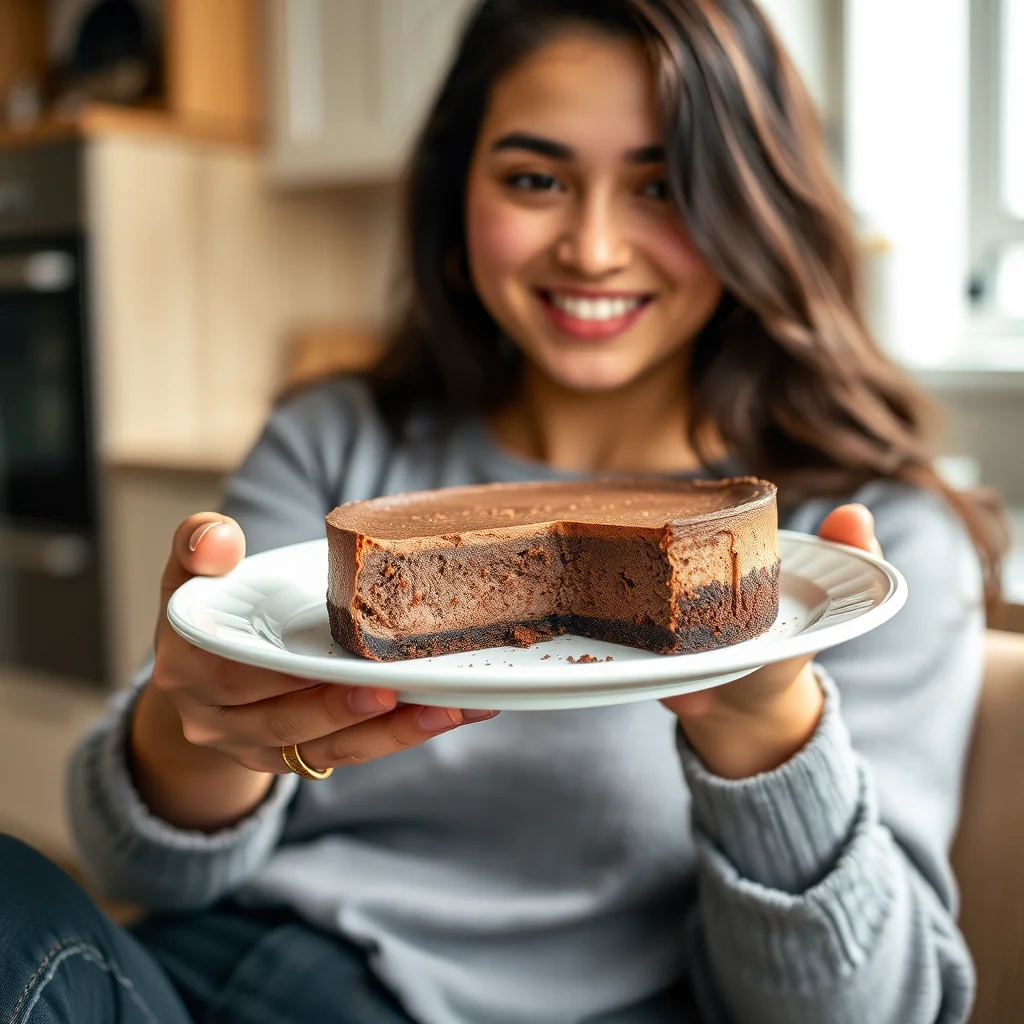
Keto cheesecake with pecan almond crust is the showpiece dessert — a nutty, buttery crust under a silky, tangy cream cheese filling that rewards every bit of patience. The water bath and room-temperature ingredients are the two secrets behind it. Chill it overnight and slice into 16 clean wedges.
While cheesecake might not have its roots in the South, it has certainly won over our Southern hearts, especially my husband’s! It’s his all-time favorite dessert, the one he requests every single year for his birthday. When we transitioned to a keto lifestyle, I knew I had to create a low-carb version that could stand up to the classic. After countless tests, this is it: a rich, velvety, and utterly decadent cheesecake with a crisp, nutty crust that has fooled even the most discerning dessert lovers. I promise, no one will ever guess it’s keto! We love it topped with a dollop of sugar-free whipped cream and a handful of fresh berries.
Ingredients
• For the Crust
• 1 cup / 112g (4 oz) finely ground blanched almond flour
• 1 cup / 120g (4.2 oz) raw pecan halves, finely crushed
• ½ cup / 100g (3.5 oz) granular erythritol
• ¼ cup / 57g (2.01 oz) salted butter, cubed
• For the Filling
• 5 (8-ounce) packages / 1130g (39.9 oz) cream cheese, softened
• 1½ cups / 180g (6.3 oz) confectioners’-style erythritol
• 4 large eggs, at room temperature
• 1 cup / 240g (8.5 oz) sour cream, at room temperature
• 1 tablespoon / 15ml (0.5 fl oz) freshly squeezed lemon juice
• 1 teaspoon / 5ml (0.2 fl oz) vanilla extract
Instructions
1. To Make the Crust
2. Preheat your oven to 375°F / 190°C. Prepare a 9- or 10-inch springform pan by greasing the bottom and sides with butter, or by lining the bottom with a parchment paper circle and greasing the sides.
3. In a medium bowl, combine the almond flour, crushed pecans, granular erythritol, and cubed salted butter. Use a fork or your fingers to mix until the are well combined and the mixture is crumbly.
4. Press the crust mixture evenly and firmly into the bottom of the prepared pan.
5. Par-bake the crust for 12 to 15 minutes, until the edges are golden brown.
6. Remove the crust from the oven and reduce the oven temperature to 325°F / 165°C. Allow the crust to cool completely on a wire rack while you prepare the filling.
7. To Make the Filling
8. In a large mixing bowl, use a hand mixer on medium speed to beat the softened cream cheese until it is completely smooth and fluffy, with no lumps.
9. With the mixer still on medium, gradually add the confectioners’-style erythritol and beat until it is fully incorporated and the mixture is smooth.
10. Add the room-temperature eggs one at a time, mixing on low speed just until combined. Be sure to scrape down the sides and bottom of the bowl after each addition.
11. Gently beat in the sour cream, followed by the lemon juice and vanilla extract, mixing on low speed just until combined. The final batter should be thick, smooth, and creamy.
12. To Assemble and Bake
13. Tightly wrap the outside of the cooled springform pan with one or two large sheets of heavy-duty aluminum foil. This creates a waterproof seal for the water bath.
14. Pour the cheesecake filling over the cooled crust and smooth the top with an offset spatula.
15. Place the foil-wrapped springform pan into a large roasting pan. Carefully pour hot water into the roasting pan until it reaches halfway up the sides of the springform pan.
16. Bake for 1 hour and 30 minutes, or until the edges are set but the center still has a slight jiggle. The top may be lightly browned.
17. Carefully remove the springform pan from the water bath and remove the foil. Let the cheesecake cool completely on a wire rack at room temperature.
18. Once cooled, cover the cheesecake and refrigerate for at least 8 hours, or preferably overnight, to allow it to fully set.
19. To serve, run a thin knife around the edge of the pan before releasing the springform latch. Slice and enjoy! Leftovers can be stored in an airtight container in the refrigerator for up to 5 days.
Nutritional Information
• Yield: 16 servings. Note: is an estimate and will vary based on the exact and brands used.
Pro Tips
• for a Perfect Cheesecake
• Room temperature are non-negotiable. Ensure your cream cheese, eggs, and sour cream are all at room temperature for a silky-smooth, lump-free filling that resists cracking.
• Don’t overmix after adding the eggs. Mix on low speed and only until just combined. Overbeating incorporates too much air, which causes the cheesecake to puff up and then crack as it cools.
• The water bath is your best friend. The steam creates a humid oven environment, allowing the cheesecake to bake gently and evenly. This is the number one trick for preventing cracks and achieving a creamy texture.
• Cool it down slowly. Abrupt temperature changes are a primary cause of cracks. After the baking time is up, turn off the oven, crack the door open, and let the cheesecake cool inside for one hour before moving it to a wire rack.
FAQ
Q: Why did my keto cheesecake crack
A: Cracks are often caused by overmixing the batter after adding eggs, using cold ingredients, or abrupt temperature changes. For a perfect, crack-free cheesecake, ensure your cream cheese, eggs, and sour cream are at room temperature, mix on low speed, and use the recommended water bath and slow cooling method.
Q: Is a water bath really necessary for this cheesecake
A: Yes, the water bath is the number one trick for a creamy, even-textured cheesecake. It creates a humid oven environment, which allows the cheesecake to bake gently and is the best way to prevent cracks from forming as it bakes and cools.
Q: Can I make this cheesecake ahead of time
A: Absolutely. This cheesecake needs to chill for at least 8 hours, but chilling it overnight is even better for the flavor and texture to fully set. It’s an ideal dessert to prepare the day before you plan to serve it.
Q: How do I store leftover keto cheesecake
A: Store any leftovers in an airtight container in the refrigerator. It will remain fresh and delicious for up to 5 days.
Pro Tips
- Room-temperature cream cheese, eggs, and sour cream are non-negotiable — they blend into a silky, lump-free filling that resists cracking.
- Wrap the springform pan in one or two sheets of heavy-duty foil and bake it in a water bath halfway up the sides; the steam keeps the bake gentle and even.
- Mix the eggs on low speed and only until just combined — overbeating adds air, which makes the cheesecake puff up and then crack as it cools.
- Cool it slowly: when the time is up, turn the oven off, crack the door open, and let the cheesecake sit inside for an hour before moving to a rack.
- Refrigerate at least 8 hours, preferably overnight, before releasing the springform latch. Leftovers keep up to 5 days in an airtight container in the fridge.
Frequently Asked Questions
Is this cheesecake keto?
Yes — the crust is almond flour and crushed pecans instead of graham crackers, and erythritol replaces the sugar. Each of the 16 servings has about 6 g of carbs.
Why did my cheesecake crack?
Usually overbeaten eggs or a sudden temperature change. Mix the eggs gently, bake in a water bath, and cool the cheesecake slowly inside the turned-off oven.
Can I make this cheesecake ahead of time?
It's designed for it — the cheesecake needs at least 8 hours in the refrigerator to set fully, and overnight is even better. It keeps for 5 days.
How do I get clean slices?
Make sure the cheesecake is fully chilled and set, then run a thin knife around the edge of the pan before releasing the springform latch.
Recipe card below.
More Recipes You’ll Love
- Keto Salmon Pie with Almond & Sesame Crust
- Keto Carrot Cake Chaffle Recipe
- 2-Ingredient Almond Butter Mousse
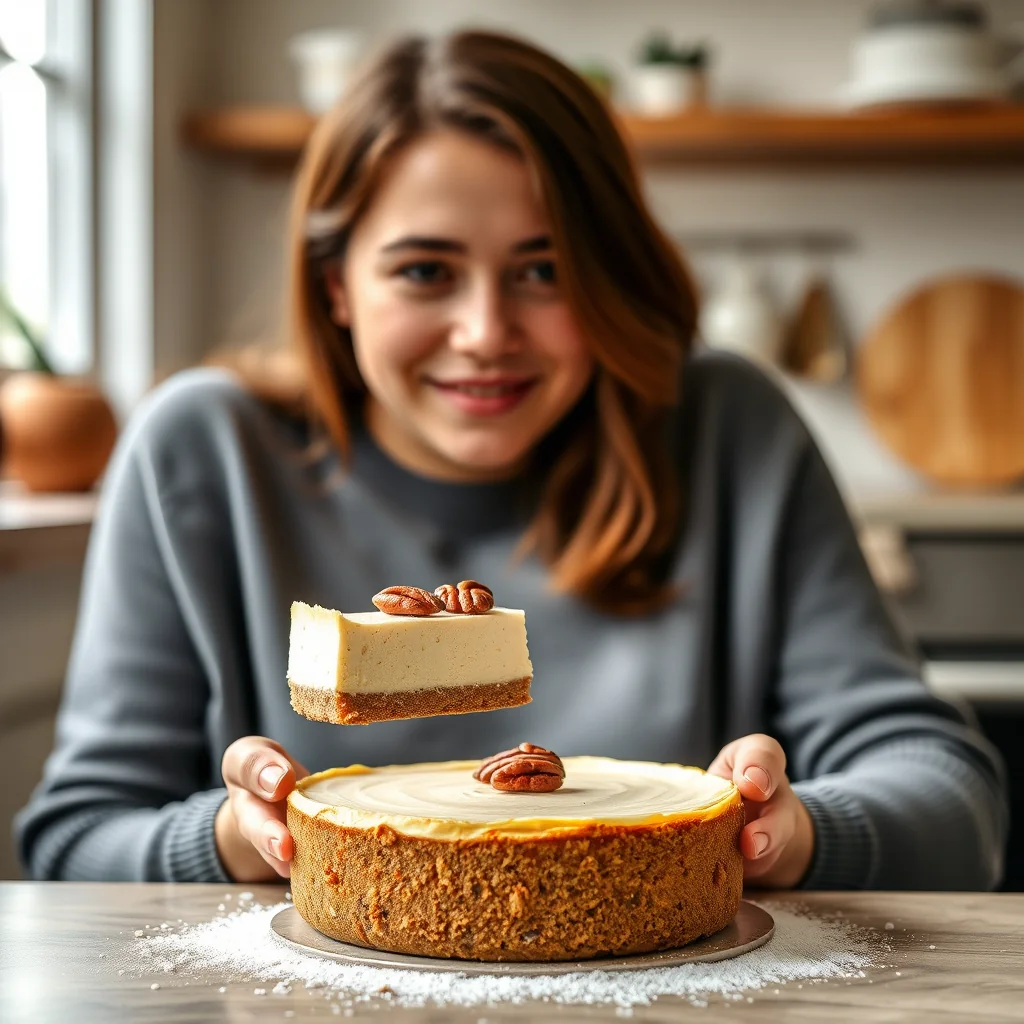
Keto Cheesecake with Pecan Almond Crust
Ingredients
Method
- To Make the Crust
- Preheat your oven to 375°F / 190°C. Prepare a 9- or 10-inch springform pan by greasing the bottom and sides with butter, or by lining the bottom with a parchment paper circle and greasing the sides.
- In a medium bowl, combine the almond flour, crushed pecans, granular erythritol, and cubed salted butter. Use a fork or your fingers to mix until the are well combined and the mixture is crumbly.
- Press the crust mixture evenly and firmly into the bottom of the prepared pan.
- Par-bake the crust for 12 to 15 minutes, until the edges are golden brown.
- Remove the crust from the oven and reduce the oven temperature to 325°F / 165°C. Allow the crust to cool completely on a wire rack while you prepare the filling.
- To Make the Filling
- In a large mixing bowl, use a hand mixer on medium speed to beat the softened cream cheese until it is completely smooth and fluffy, with no lumps.
- With the mixer still on medium, gradually add the confectioners'-style erythritol and beat until it is fully incorporated and the mixture is smooth.
- Add the room-temperature eggs one at a time, mixing on low speed just until combined. Be sure to scrape down the sides and bottom of the bowl after each addition.
- Gently beat in the sour cream, followed by the lemon juice and vanilla extract, mixing on low speed just until combined. The final batter should be thick, smooth, and creamy.
- To Assemble and Bake
- Tightly wrap the outside of the cooled springform pan with one or two large sheets of heavy-duty aluminum foil. This creates a waterproof seal for the water bath.
- Pour the cheesecake filling over the cooled crust and smooth the top with an offset spatula.
- Place the foil-wrapped springform pan into a large roasting pan. Carefully pour hot water into the roasting pan until it reaches halfway up the sides of the springform pan.
- Bake for 1 hour and 30 minutes, or until the edges are set but the center still has a slight jiggle. The top may be lightly browned.
- Carefully remove the springform pan from the water bath and remove the foil.
- Let the cheesecake cool completely on a wire rack at room temperature.
- Once cooled, cover the cheesecake and refrigerate for at least 8 hours, or preferably overnight, to allow it to fully set.
- To serve, run a thin knife around the edge of the pan before releasing the springform latch.
- Slice and enjoy! Leftovers can be stored in an airtight container in the refrigerator for up to 5 days.
- Don't overmix after adding the eggs.
- Mix on low speed and only until just combined. Overbeating incorporates too much air, which causes the cheesecake to puff up and then crack as it cools.
- Cool it down slowly. Abrupt temperature changes are a primary cause of cracks.
- After the baking time is up, turn off the oven, crack the door open, and let the cheesecake cool inside for one hour before moving it to a wire rack.