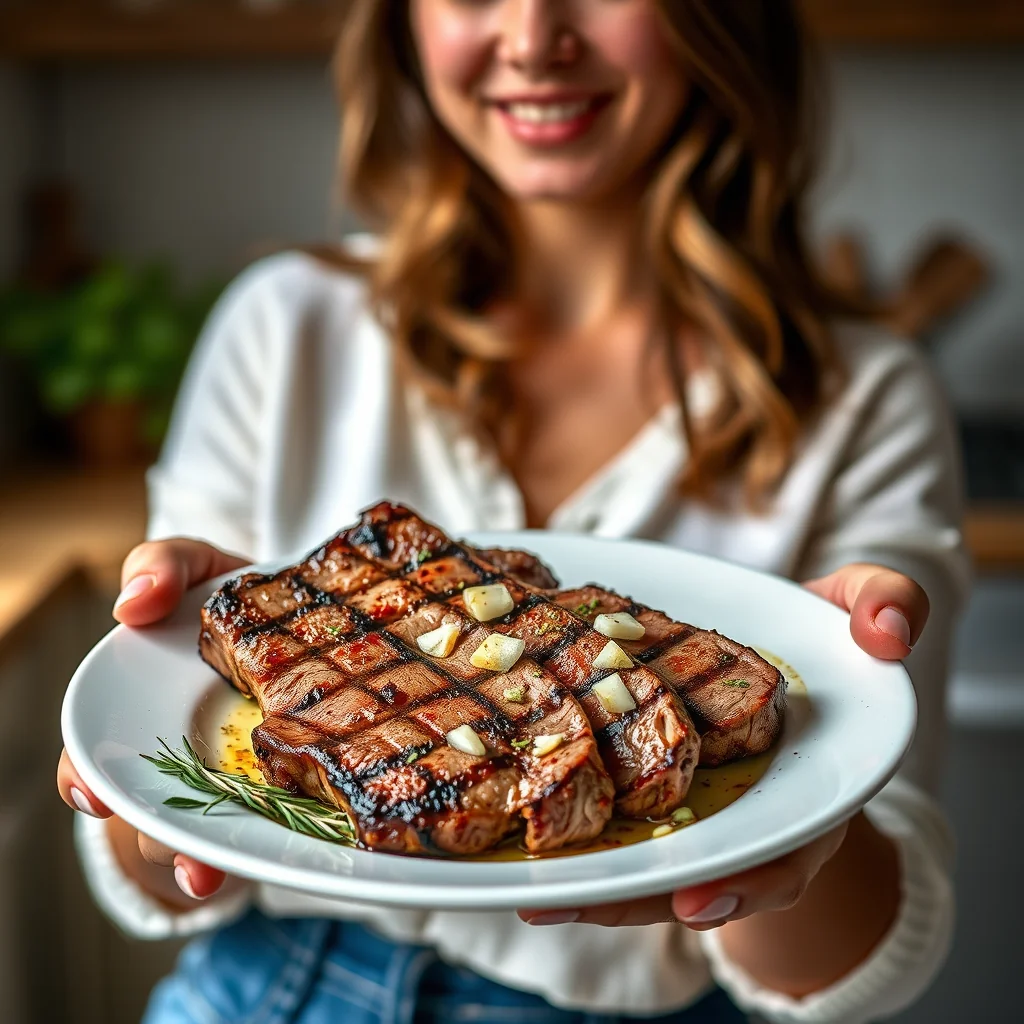
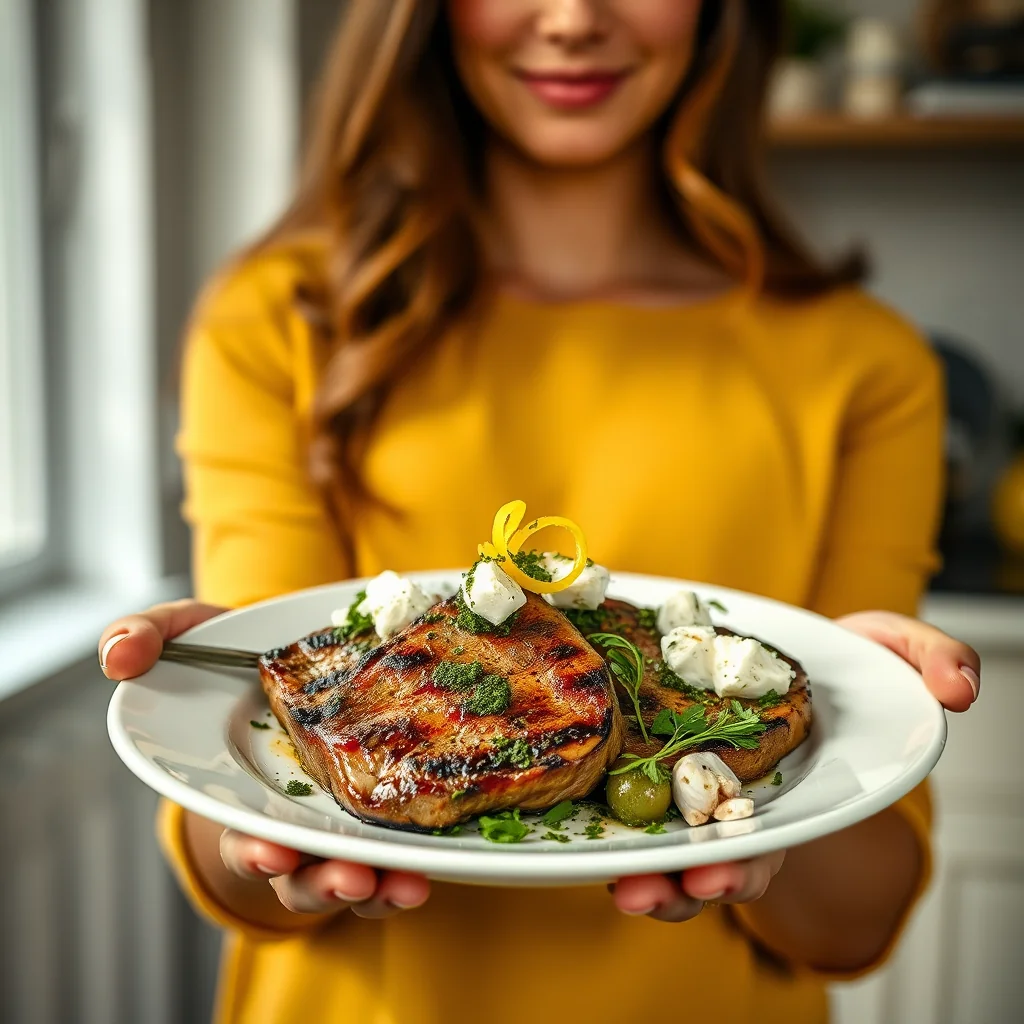
One-pan rosemary pork tenderloin with cauliflower is a 30-minute skillet dinner where the pork stays juicy and the florets turn tender-crisp right beside it. A quick sear builds a golden crust, then everything finishes gently under a lid. It's simple enough for a Tuesday and polished enough for company.
Craving a restaurant-quality meal without the mountain of dishes? This One-Pan Rosemary Pork Tenderloin with Cauliflower is your new weeknight hero! It’s a simple, elegant dish that comes together in just 30 minutes, packing a serious flavor punch from fresh rosemary and a perfect sear. The pork stays incredibly juicy while the cauliflower becomes tender-crisp, all in a single skillet. Get ready to impress yourself (and anyone else lucky enough to get a plate)!
Ingredients
• 1 ½ pounds / 680g (24 oz) boneless pork tenderloin
• 1 tablespoon / 15ml (0.5 fl oz) coconut oil, melted
• 1 tablespoon fresh chopped rosemary
• Salt and freshly ground black pepper, to taste
• 1 tablespoon / 15ml olive oil
• 2 cups / 200g (7.1 oz) cauliflower florets
Instructions
1. Directions
2. Pat the pork tenderloin dry with paper towels. Rub the melted coconut oil all over the pork, then season generously with chopped rosemary, salt, and pepper.
3. Heat the olive oil in a large skillet over medium-high heat. Once shimmering, carefully place the pork in the skillet and sear for 2-3 minutes per side, until a golden-brown crust forms.
4. Scatter the cauliflower florets in the skillet around the pork.
5. Reduce the heat to low, cover the skillet with a tight-fitting lid, and cook for 8-10 minutes, or until the pork reaches an internal temperature of 145°F (63°C).
6. Remove the skillet from the heat and transfer the pork to a cutting board. Let it rest for 5 minutes before slicing. Serve the sliced pork with the tender cauliflower from the pan.
Nutritional Information
• Nutrition
• Serving Size: 1/4 of recipe
• Calories: 260
• Protein: 38g
• Fat: 11g
• Carbohydrates: 5g
Pro Tips
• Use a meat thermometer to ensure the pork is cooked to a perfect 145°F (63°C) for a juicy, tender result without any guesswork.
• For extra flavor and color, allow the cauliflower to brown slightly in the skillet for a minute before reducing the heat and covering.
• Let the pork rest for at least 5 minutes before slicing. This allows the juices to redistribute, keeping the meat moist and flavorful.
• Feel free to deglaze the pan with a splash of white wine or chicken broth after searing the pork for an easy, delicious pan sauce.
FAQ
Q: What is the correct internal temperature for pork tenderloin
A: For a juicy and perfectly cooked result, the pork tenderloin should reach an internal temperature of 145°F (63°C). Using a meat thermometer is the best way to ensure accuracy.
Q: How do I keep my pork tenderloin from drying out
A: The key to a juicy pork tenderloin is to let it rest on a cutting board for at least 5 minutes after cooking. This allows the juices to redistribute throughout the meat, keeping it moist and flavorful.
Q: How long does this one-pan meal take to cook
A: This entire one-pan rosemary pork tenderloin with cauliflower recipe comes together in just 30 minutes, making it a perfect weeknight meal.
Q: Can I make a sauce with this recipe
A: Yes, for an easy and delicious pan sauce, you can deglaze the pan with a splash of white wine or chicken broth after searing the pork and before adding the cauliflower.
Pro Tips
- Sear the tenderloin for 2-3 minutes per side over medium-high heat until a deep golden crust forms — that browned fond is where most of the flavor comes from.
- Cook the pork to an internal temperature of 145°F / 63°C and pull it right there; tenderloin goes dry fast if it drifts past that mark.
- Let the meat rest a full 5 minutes before slicing so the juices stay in the pork instead of running out onto the cutting board.
- Give the cauliflower a minute to brown in the skillet before lowering the heat and covering — that extra color is worth the sixty seconds of patience.
- Deglaze the skillet with a splash of white wine or chicken broth after searing for an easy pan sauce; leftovers keep 3-4 days in the fridge and reheat best gently so the pork doesn't toughen.
Frequently Asked Questions
What internal temperature should pork tenderloin be cooked to?
Pull it at 145°F / 63°C and let it rest 5 minutes — residual heat finishes the job and keeps every slice juicy.
Is this rosemary pork tenderloin keto-friendly?
Yes — each of the four servings has about 5g of carbohydrates, along with 38g of protein and 11g of fat, and the whole meal cooks in one skillet.
Can I make this dish ahead of time?
It's best cooked fresh since tenderloin dries out on reheating, but you can chop the cauliflower and prep the rosemary ahead. Leftovers keep 3-4 days and are lovely sliced cold or very gently warmed.
Can I freeze cooked rosemary pork tenderloin?
Yes — slice it first, freeze it in airtight containers for up to 2 months, and thaw overnight in the fridge before reheating gently with a spoonful of broth to keep it moist.
Recipe card below.
More Recipes You’ll Love

One-Pan Rosemary Pork Tenderloin with Cauliflower
Ingredients
Method
- Directions
- Pat the pork tenderloin dry with paper towels. Rub the melted coconut oil all over the pork, then season generously with chopped rosemary, salt, and pepper.
- Heat the olive oil in a large skillet over medium-high heat.
- Once shimmering, carefully place the pork in the skillet and sear for 2-3 minutes per side, until a golden-brown crust forms.
- Scatter the cauliflower florets in the skillet around the pork.
- Reduce the heat to low, cover the skillet with a tight-fitting lid, and cook for 8-10 minutes, or until the pork reaches an internal temperature of 145°F (63°C).
- Remove the skillet from the heat and transfer the pork to a cutting board.
- Let it rest for 5 minutes before slicing.
- Serve the sliced pork with the tender cauliflower from the pan.
- Let the pork rest for at least 5 minutes before slicing. This allows the juices to redistribute, keeping the meat moist and flavorful.