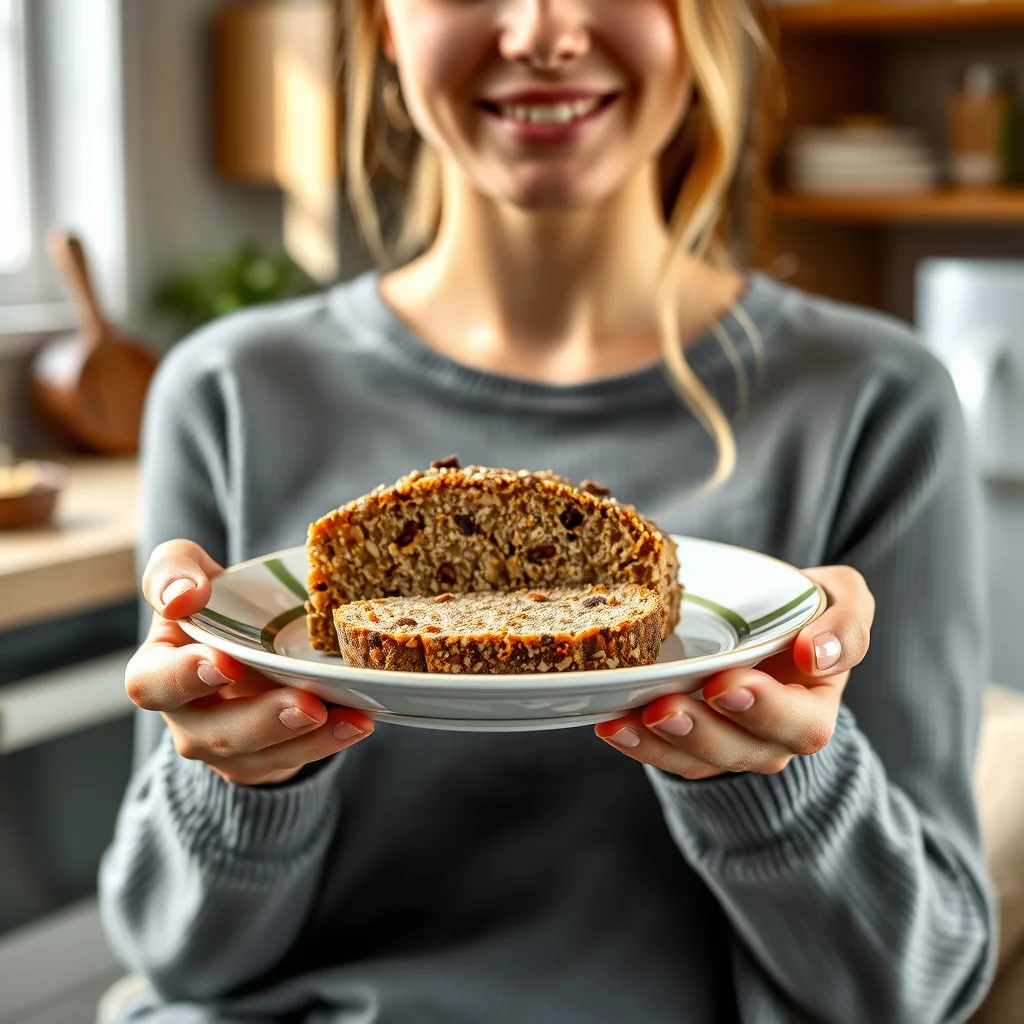
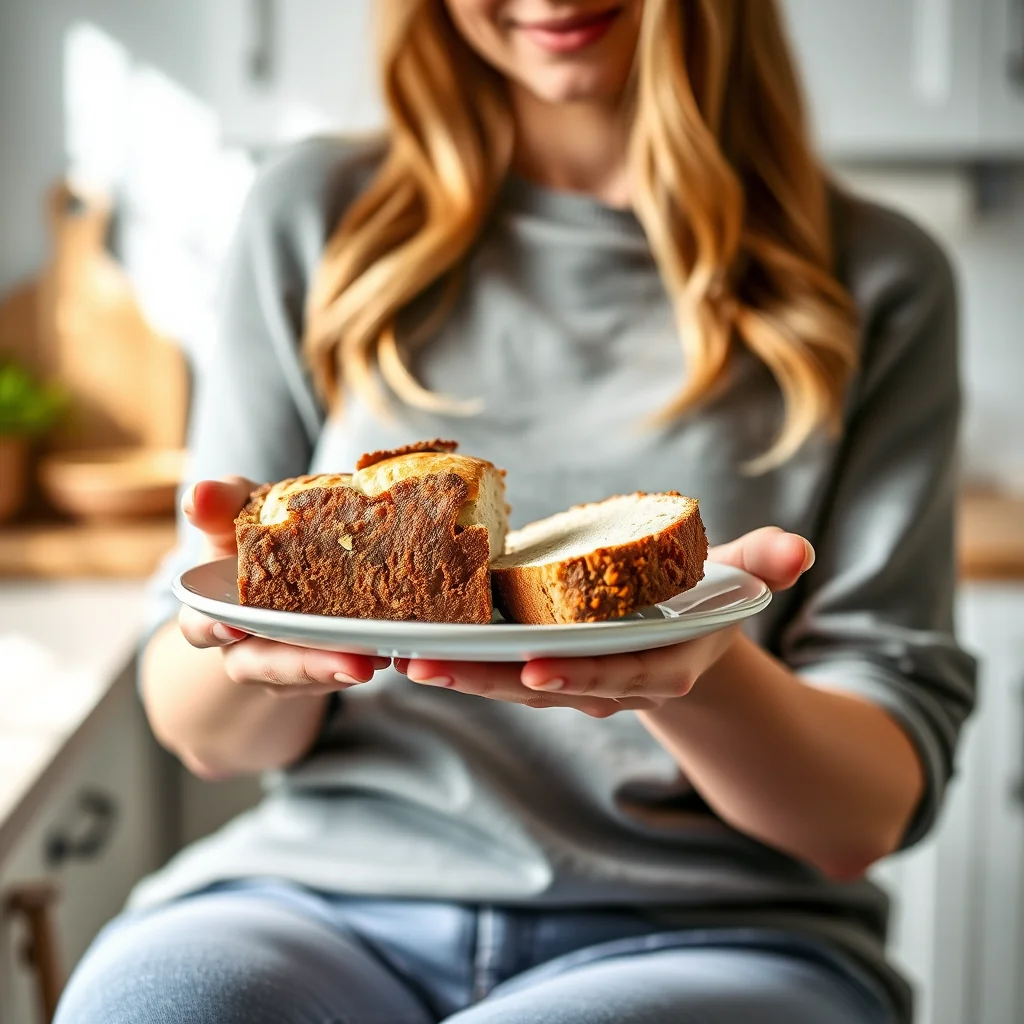
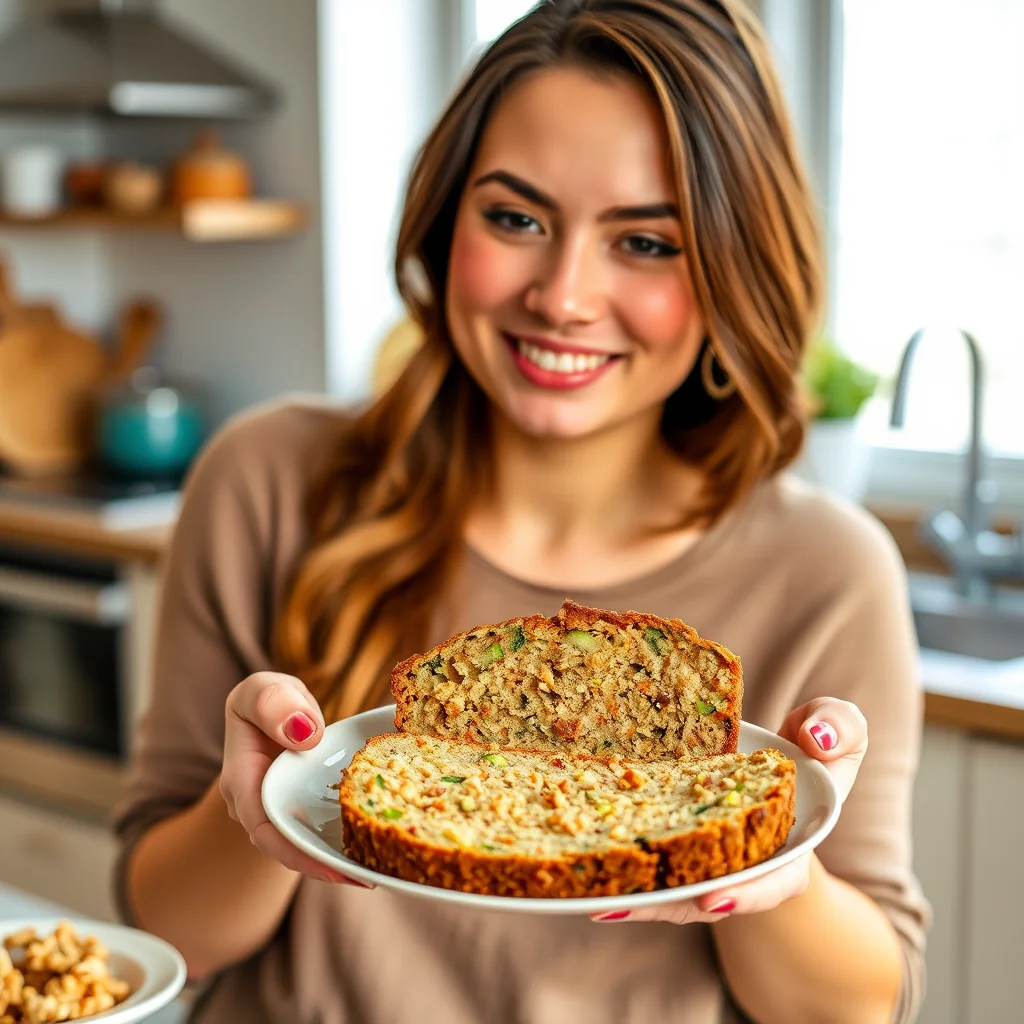
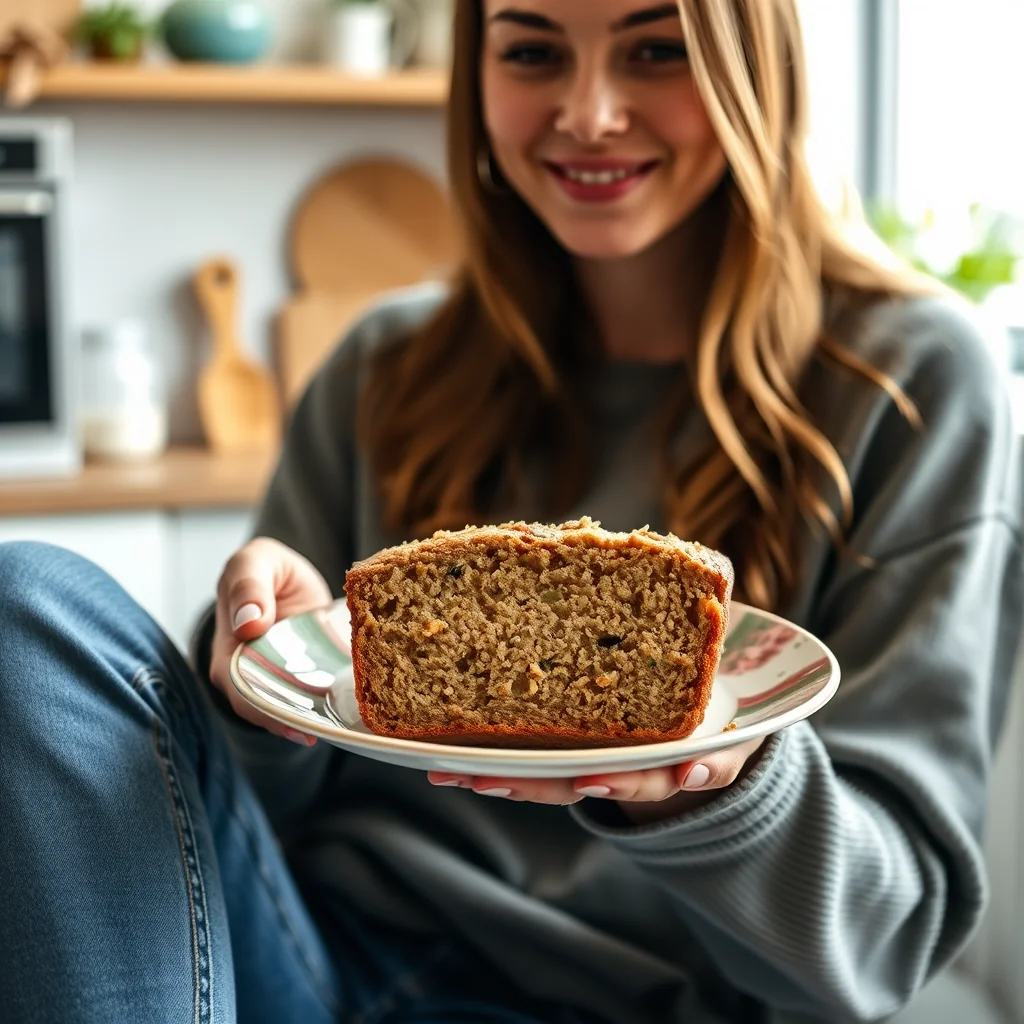
Simple soy flour flatbread (gluten-free, low-carb) swaps traditional wheat for nutrient-rich soy flour and lands on the table in about twenty minutes. The tender little rounds puff up golden in the skillet and make the perfect companion for dips, soups, or a standalone snack. Each flatbread carries 118 calories with 5.1 g protein, so they earn their place on a keto table.
Craving warm, savory flatbread but need a gluten-free, low-carb option? Look no further! This incredibly simple recipe swaps traditional wheat for nutrient-rich soy flour, creating a tender, flavorful flatbread that’s ready in minutes. It’s the perfect guilt-free companion for your favorite dips, soups, or as a standalone snack.
Ingredients
• 1 ¼ cups / 150g (5.3 oz) Soy Flour, plus extra for dusting
• 2 tsp / 8g (0.28 oz) Baking Powder
• ½ tsp / 3g (0.11 oz) Sea Salt
• 1 Tbsp / 7g (0.25 oz) Onion Powder
• 1 Tbsp / 7g (0.25 oz) Garlic Powder, optional
• 1 cup / 240ml Warm Water
• Olive oil for frying
Instructions
1. In a food processor, combine the soy flour, baking powder, salt, onion powder, and garlic powder (if using). Pulse for a minute or two until the dry are finely blended and aerated.
2. With the food processor running on low, slowly stream in the warm water. Continue to mix until a sticky dough ball forms. Don’t worry about the stickiness – that’s perfect!
3. Lightly dust your hands and a clean work surface with soy flour. Divide the dough into 8 equal portions. Roll each portion into a ball, then gently flatten and shape it into a small, thin circle.
4. Heat a thin layer of olive oil in a skillet over medium heat. Fry each flatbread for 2-3 minutes per side, until golden brown and puffed. Serve immediately for the best texture.
Nutritional Information
• Nutrition
• Serving Size: 1 flatbread
• Makes: 8 flatbreads
• Calories: 118
• Fat: 9.7g
• Carbohydrates: 4.4g
• Protein: 5.1g
Pro Tips
• For the best texture, use a food processor. It blends the finely while keeping the mixture light and airy, which is difficult to achieve by hand.
• Don’t be afraid of the sticky dough! A light dusting of soy flour on your hands and work surface is all you need to make it manageable.
• Customize your flavors by adding other dried herbs like rosemary, thyme, or a pinch of cayenne pepper to the dry .
• The uncooked dough can be stored in an airtight container in the refrigerator for up to one week, allowing you to fry fresh flatbreads on demand.
FAQ
Q: Can I make this soy flour flatbread without a food processor
A: While a food processor is recommended for the best light and airy texture, you can mix the ingredients by hand. Be sure to whisk the dry ingredients thoroughly in a bowl before slowly stirring in the warm water to form the dough.
Q: Is this flatbread recipe keto-friendly
A: Yes, with only 4.4g (0.16 oz) of carbohydrates per serving, this soy flour flatbread is an excellent low-carb and keto-friendly option for dips, soups, or as a snack.
Q: What can I substitute for soy flour in this recipe
A: This recipe is specifically developed for the unique properties of soy flour. Substituting other flours like almond or coconut flour would require significant adjustments to the liquid ratios and may not produce the same tender texture.
Q: How do I store leftover flatbread
A: For best results, serve the flatbreads immediately. If you have leftovers, store them in an airtight container at room temperature for up to 2 days. You can reheat them briefly in a dry skillet or microwave.
Pro Tips
- Don't panic at the sticky dough — it's meant to be that way. A light dusting of soy flour on your hands and work surface is all you need to shape it.
- Pulse the soy flour, baking powder, sea salt, onion powder, and optional garlic powder in the food processor for a minute or two so the dry ingredients are finely blended and aerated before the warm water goes in.
- Roll each of the 8 portions into a small, thin circle; thin rounds puff and cook through in 2-3 minutes per side while thick ones stay gummy in the middle.
- Fry in a thin layer of olive oil over medium heat and serve immediately — these flatbreads are at their best straight from the skillet.
- The garlic powder is optional; the onion powder carries the savory base on its own, so add the garlic only if you want a punchier flatbread.
Frequently Asked Questions
Is soy flour okay on a keto diet?
Each flatbread lands at 118 calories with 4.4 g carbohydrates, 5.1 g protein, and 9.7 g fat. The recipe makes 8 flatbreads from soy flour, baking powder, and seasonings instead of wheat.
Why is my dough so sticky?
That is exactly right — streaming the warm water into the dry mix makes a deliberately sticky dough ball. Dust your hands and surface with soy flour and shape gently without overworking.
Can I leave out the garlic powder?
Yes, it is marked optional in the recipe. The onion powder gives the flatbread its savory flavor on its own.
How do I get the flatbreads to puff up?
Roll the circles thin and fry them 2-3 minutes per side in a thin layer of olive oil over medium heat until golden brown and puffed.
Recipe card below.
More Recipes You’ll Love
- Bacon-Wrapped Egg Bombs
- Slow Cooker Harissa Lamb
- A Fail-Proof Method for Perfect Instant Pot Venison

Simple Soy Flour Flatbread (Gluten-Free, Low-Carb)
Ingredients
Method
- In a food processor, combine the soy flour, baking powder, salt, onion powder, and garlic powder (if using). Pulse for a minute or two until the dry are finely blended and aerated.
- With the food processor running on low, slowly stream in the warm water.
- Continue to mix until a sticky dough ball forms.
- Don't worry about the stickiness – that's perfect!
- Lightly dust your hands and a clean work surface with soy flour.
- Divide the dough into 8 equal portions.
- Roll each portion into a ball, then gently flatten and shape it into a small, thin circle.
- Heat a thin layer of olive oil in a skillet over medium heat.
- Fry each flatbread for 2-3 minutes per side, until golden brown and puffed.
- Serve immediately for the best texture.
- Don't be afraid of the sticky dough! A light dusting of soy flour on your hands and work surface is all you need to make it manageable.