Easy Keto Spinach Stuffed Chicken Breast

Poultry

March 9, 2026

Eat the right amount of protein

Infographic showing a keto diet guide with labeled food plates (fatt y fish, grass-fed beef, eggs, poultry) and a central balance chart on a kitchen counter, promoting protein portions and healthy fats.

Maintaining precise protein intake is a foundational requirement for achieving and sustaining nutritional ketosis. Clinical data indicates that a ketogenic diet allocates 8–12% of total daily calories to protein. This represents a substantial reduction compared to standard dietary guidelines, which typically assign 10–35% of caloric intake to this macronutrient. Restricting protein within this narrow percentage range is essential for maintaining the metabolic state required for efficient fat oxidation.

Prioritizing Protein Quality and Metabolic Outcomes

The proportion of macronutrients must be paired with strategic sourcing to optimize physiological adaptation. When selecting dietary protein, prioritize animal-based sources to ensure complete amino acid profiles and maximize nutrient density. This approach supports lean mass preservation and promotes sustained satiety, addressing key metabolic concerns for women over 40. Furthermore, the protocol operates on a core clinical principle: results trump ratios and macros. While the 8–12% protein threshold provides a reliable biochemical framework, individual metabolic responses should ultimately dictate dietary adjustments. Tracking ketone stability, energy levels, and body composition changes will yield more actionable data than rigidly tracking grams of protein alone. Adhering to this evidence-based approach ensures that macronutrient management remains a tool for metabolic health rather than an arbitrary constraint.

Don't eat a lot of fat

Infographic showing don’t eat a lot of fat: moderation fats on left with avocado, olive oil, nuts; avoid excessive fats on right with butter, oil, bacon; balanced keto macros in center.

With protein levels optimized, the focus must now shift toward the strategic recalibration of dietary fat intake to fuel the metabolic engine. Clinical observation indicates that excessive fat consumption does not automatically accelerate weight loss on a ketogenic protocol. Instead, fat should be utilized strategically to maintain metabolic adaptation rather than consumed indiscriminately. The provided documentation emphasizes monitoring "The Fat Switch" as a physiological marker for successful keto-adaptation, suggesting that dietary fat must align with your body's current metabolic state rather than follow arbitrary volume targets.

Tracking Metabolic Zones Over Caloric Volume

Weight loss on this protocol depends on sustaining specific keto zones rather than increasing macronutrient ratios. Evaluating whether a given meal or ingredient is genuinely keto-friendly requires consistent tracking of ketone stability and metabolic feedback. When fat intake exceeds the body's immediate oxidative capacity, it can stall progress by preventing the necessary shift in fuel utilization. Therefore, dietary adjustments should prioritize maintaining the adapted state over consuming high volumes of fat.

Strategic Dietary Implementation

Successful implementation relies on careful ingredient selection and structured meal planning to avoid metabolic disruption. Rather than adding fats to every meal, focus on utilizing adequate amounts to support satiety and hormonal balance while allowing endogenous fat oxidation to drive weight loss. The protocol operates on the principle that results are determined by sustained metabolic adaptation, not macronutrient ratios alone. By aligning fat consumption with your body's adaptive capacity and consistently verifying the keto-friendly status of consumed ingredients, you can optimize lipid metabolism without hindering progress. This approach ensures that dietary fat serves as a supportive tool for ketosis maintenance rather than a barrier to weight loss.


Try intermittent fasting

Infographic about intermittent fasting: charted benefits, fasting/eating windows, and tips for keto-style approach.

Once dietary fat intake is calibrated to support metabolic adaptation rather than drive weight loss, introducing time-restricted eating can significantly amplify physiological benefits. Compressing your daily feeding window aligns with digestive circadian rhythms and macronutrient management, creating a synergistic effect for metabolic health. Clinical observations indicate that adding intermittent fasting to an established ketogenic regimen elevates the intensity of the protocol, making it most effective for individuals who have already achieved keto-adaptation over one to two weeks.

Metabolic Switching and Hormonal Regulation

The primary mechanism driving weight loss during fasting periods is the deliberate depletion of cellular energy stores. This process forces a metabolic switch from glucose oxidation to fat burning, effectively reducing excess adipose tissue while preserving lean muscle mass. Furthermore, extended periods without food optimize the regulation of leptin and ghrelin, hormones critical for appetite control and metabolic efficiency. In contrast, frequent small meals offer negligible thermogenic benefits and fail to provide these hormonal advantages.

Strategic Implementation

Successful adoption requires selecting a sustainable eating window that accommodates daily routines rather than pursuing rigid perfection. A six-hour feeding period serves as an effective starting point; individuals can gradually extend it by one or two hours if the initial restriction proves too demanding. Because this approach demands heightened commitment, it should be implemented only after foundational keto-adaptation is established. When executed correctly, intermittent fasting activates molecular signaling pathways that optimize physiological function and enhance overall metabolic performance.

Don't overeat carbohydrates

Keto diet infographic with a central carb gauge showing green to red, left side lists high-carb foods to avoid, right side shows low-carb keto alternatives.

Once time-restricted eating windows are firmly established, precise carbohydrate management emerges as the definitive driver of metabolic success on a ketogenic protocol. The physiological threshold for sustaining ketosis is exceptionally narrow, requiring daily carbohydrate intake to remain at or below 50 grams. This restriction must be applied rigorously to both the quantity and quality of ingested carbohydrates.

Prioritizing Carbohydrate Quality Over Volume

Many individuals mistakenly assume that starchy foods are compatible with ketogenic adaptation. Clinical data indicates that consuming as little as 100 grams of glucose-producing foods daily can completely halt ketone production. Therefore, dietary carbohydrates should be sourced almost exclusively from non-starchy vegetables rather than refined grains or processed items. Adhering to a strict protocol for eliminating simple sugars and starchy inputs is necessary to prevent insulin spikes that disrupt the delicate hepatic process of ketogenesis.

Metabolic Fragility and Long-Term Stability

The ketogenic metabolic state is inherently fragile; a single medium- to high-carbohydrate meal can abruptly terminate ketosis, often requiring extended fasting or multiple consecutive keto-aligned meals to restore the adapted state. For individuals presenting with any degree of insulin resistance, exceeding the 50-gram daily threshold will make sustained ketosis nearly impossible to achieve. Controlling both carbohydrate quantity and quality directly stabilizes blood glucose and normalizes insulin response, which is fundamental for cellular health and long-term metabolic efficiency. Strict adherence to these parameters ensures that dietary fat oxidation remains the primary fuel source rather than being overridden by exogenous glucose.


Limit alcohol consumption

Keto guide infographic: why alcohol is limited on keto, plus keto-friendly vs keto-unfriendly drink options and tips for maintaining ketosis.

Having stabilized insulin and blood glucose via rigorous carbohydrate control, the next imperative for sustained adaptation is the strategic management of alcohol consumption. Clinical observations indicate that alcohol consumption can abruptly terminate ketosis. Therefore, individuals must refrain from drinking until they are fully keto-adapted. Once adaptation is achieved, limited consumption may be permissible, but strict parameters apply.

Metabolic Impact and Beverage Selection

The liver prioritizes metabolizing ethanol over fat oxidation, which directly interferes with ketone production. When alcohol is consumed, it can effectively turn off the ketogenic state. If reintroducing alcohol post-adaptation, only single servings of low-carbohydrate options should be considered, such as one glass of dry red wine or a single shot of straight spirits like vodka. Consuming more than one serving, or opting for higher-carbohydrate beverages like microbrew beers, will immediately halt ketone production and disrupt metabolic progress.

Tolerance and Physiological Considerations

A critical physiological shift occurs during keto-adaptation: many individuals report a significantly lower tolerance to alcohol once their metabolism has shifted to fat oxidation. This heightened sensitivity requires careful monitoring of intake to prevent unintended metabolic disruption. Aligning alcohol consumption with established carbohydrate thresholds ensures that the metabolic benefits achieved through dietary restriction are not compromised. Prioritizing low-carbohydrate options and strictly limiting volume maintains the delicate balance required for sustained ketosis while accommodating occasional social preferences.

Avoid sweeteners

Keto diet infographic explaining why to avoid sweeteners, with sections on insulin, cravings, digestion, and hidden carbs. Includes four panels and a ‘recommended keto alternatives’ row.

Building upon the disciplined approach to alcohol, the elimination or strict limitation of dietary sweeteners becomes a vital requirement for preserving metabolic stability.Many commercial sugar substitutes are formulated to mimic sweetness without carbohydrates, yet they frequently disrupt the delicate hormonal balance required for ketosis. Clinical observation indicates that certain artificial sweeteners can spike insulin levels despite containing zero calories or carbs. This unintended hyperinsulinemic response directly opposes the primary objective of dietary carbohydrate restriction and may contribute to weight retention over time.

Differentiating Sweetener Classes

The physiological impact of sweeteners varies significantly by chemical composition. Artificial compounds such as aspartame, phenylalanine, and acesulfame potassium (Ace K) are known to elevate blood glucose and stimulate appetite cravings. Similarly, widely used sugar alcohols like maltitol, sorbitol, and mannitol often trigger measurable rises in blood glucose while simultaneously causing gastrointestinal distress, particularly in individuals with compromised intestinal barriers. Prebiotic fibers such as inulin or fructooligosaccharides may also induce flatulence or sharp glucose spikes that disrupt ketone production.

Strategic Selection and Monitoring

While complete avoidance is optimal for rapid adaptation, specific natural sweeteners including erythritol, monkfruit, and stevia are generally metabolized without elevating blood glucose or insulin. These alternatives should not be counted toward daily carbohydrate limits. However, metabolic responses remain highly individual. If introducing any new sweetener, monitor fasting glucose levels before and after consumption to verify that ketosis remains intact. Prioritizing whole-food sweetness minimizes exogenous sweetening agents ensures that insulin sensitivity is preserved and fat oxidation continues unimpeded.

Do strength training

Keto and strength training infographic showing a woman squatting with a barbell and panels about benefits, starter exercises, and keto tips.

Now that insulin and glucose have reached equilibrium through dietary precision, the integration of resistance training serves as the catalyst for optimized body composition. Clinical evidence demonstrates that nutritional ketosis, when combined with structured resistance exercise, produces dramatic alterations in lean mass retention and fat oxidation. Unlike carbohydrate-dependent metabolic states where muscle tissue is frequently catabolized during physical stress, the ketogenic pathway actively spares protein.

Metabolic Sparing and Muscle Preservation

When the body is fueled primarily by fatty acids and ketone bodies, the oxidation of muscle-derived amino acids is significantly suppressed. This physiological shift ensures that dietary protein supports tissue repair rather than serving as a gluconeogenic substrate. Consequently, keto-adapted individuals experience reduced protein breakdown while simultaneously doubling their rate of fat oxidation during exercise. Fully adapted skeletal muscles also develop an increased preference for ketones, effectively sparing circulating glucose for neural tissue and even storing ketone bodies intramuscularly for future energy demands.

Strategic Exercise Implementation

To maximize hypertrophy and metabolic efficiency without compromising ketosis, supplementing with branched-chain amino acids (BCAAs) before or during workouts can stimulate muscle protein synthesis without requiring elevated dietary protein intake. Furthermore, performing quality resistance sessions in a fasted state serves as a reliable indicator of successful fat adaptation. Aligning strength training with this metabolic framework ensures that lean mass is preserved while endogenous fat stores are systematically mobilized for energy.

Get enough sleep

Sleeping woman in bed with two teal panels explaining keto sleep benefits (left) and tips (right).

In the wake of structured resistance training aimed at lean mass preservation, sleep hygiene stands as the final, non-negotiable pillar for sustainable weight loss. Clinical data establishes that adequate rest is not merely a recovery tool but a fundamental requirement for hormonal regulation and metabolic adaptation.

Circadian Alignment and Hormonal Regulation

Reconnecting your circadian rhythm with natural light cycles is essential for optimizing endocrine function. Chronic sleep deprivation actively prevents the transition from carbohydrate dependency to fat- and keto-adaptation. Late-night exposure to artificial light and digital screens triggers a cortisol spike, which paradoxically provides alertness while simultaneously inhibiting fat metabolism. This hormonal disruption also elevates ghrelin, driving cravings for rapid-energy carbohydrates that directly counteract ketosis. Furthermore, research indicates that even a single night of four hours of sleep induces acute insulin resistance, fundamentally undermining metabolic health.

Sleep Hygiene and Physiological Impact

Establishing a consistent bedtime aligned with seasonal sunrise patterns ensures adequate deep sleep during the initial hours of rest. Compensating for late nights by sleeping in later fails to restore lost deep sleep cycles. To protect metabolic function, eliminate substantial caffeine intake at least six hours before bedtime to prevent circadian disruption. The physiological consequences of inadequate rest are severe: a week of six-hour sleep periods alters the expression of 700 genes, while prolonged deprivation shifts dieting weight loss toward lean mass catabolism rather than adipose reduction. Prioritizing seven to eight hours of quality sleep remains non-negotiable for preserving cognitive function, immune resilience, and sustained ketogenic adaptation.

Reduce stress

Infographic titled Simple Ways to Reduce Stress with four panels: mindfulness meditation, physical activity, nature, and quality sleep, plus tips under each.

Beyond the restorative benefits of adequate rest, the regulation of physiological and psychological stress becomes the cornerstone of metabolic resilience. Chronic stress directly elevates cortisol, a hormone that actively opposes ketosis and promotes weight retention. When cortisol remains chronically elevated due to work pressure or excessive exercise, it disrupts hormonal balance and significantly increases the risk of abdominal fat accumulation. Furthermore, sustained high cortisol levels can make achieving ketosis essentially impossible by preventing the necessary metabolic shift toward lipid oxidation.

Strategic Cortisol Management

Mitigating stress requires targeted biochemical intervention. Clinical observation supports specific adaptogenic herbs, particularly ashwagandha and holy basil, which effectively lower cortisol production and stabilize hormonal fluctuations. Additionally, aromatherapy protocols using lavender or rosemary essential oils can decrease systemic cortisol and mitigate cellular oxidative stress when diffused or applied topically.

Exercise Intensity Calibration

Physical activity must be carefully modulated to avoid triggering a counterproductive stress response. Excessive aerobic training stimulates further cortisol release, which subsequently reduces available testosterone and hinders keto-adaptation. Aligning exercise duration with your body's adaptive capacity ensures that physical exertion supports fat oxidation rather than sabotaging it. By systematically lowering cortisol through targeted interventions, you preserve the hormonal environment required for sustained weight loss.

Be realistic

Keto guide infographic on a kitchen counter showing four steps: manage expectations, track metrics, set SMART goals, and overcome hurdles; vegetables sit nearby in a bowl and a measuring tape lies at the edge of the counter.

Concluding the focus on comprehensive stress management, the establishment of psychological realism remains the essential framework for lifelong adherence to the protocol. Clinical guidance emphasizes that metabolic flexibility does not require rigid, lifelong adherence to strict macronutrient ratios. Instead, the objective is to cultivate a "keto zone" lifestyle where you efficiently utilize diverse fuel sources based on your specific physiological goals and genetic profile.

Implementing Sustainable Goal Frameworks

Success requires shifting from arbitrary weight targets to structured objectives. Utilizing SMART goal frameworks provides a reliable blueprint for fat reduction that can be maintained indefinitely. Furthermore, practitioners must account for the biological reality of metabolic adaptation. The transition period where muscle tissue adjusts to primarily oxidizing fatty acids is well-documented and typically spans several weeks to months. Accepting this timeline prevents frustration during initial implementation.

Tracking Holistic Progress Metrics

Relying exclusively on scale weight often leads to inaccurate assessments of metabolic improvement. Clinical tracking protocols deliberately de-emphasize daily weigh-ins in favor of monitoring broader physiological milestones. Celebrating non-scale victories provides a more accurate reflection of your ketogenic journey. Aligning expectations with these measurable biological markers ensures that dietary adherence remains psychologically sustainable while metabolic health continues to optimize.

Tired of the same old boring chicken dinners? Say hello to your new weeknight obsession! This Keto Spinach Stuffed Chicken is an absolute game-changer. Imagine tender, juicy chicken breasts packed with a ridiculously creamy, cheesy spinach filling, all baked to a glorious golden-brown. It looks and tastes like a gourmet meal from a fancy restaurant, but it’s shockingly simple to whip up in your own kitchen. Perfect for impressing guests or just treating yourself to a delicious, low-carb meal that feels anything but restrictive. Let’s get cooking!

Ingredients

• Preparation Time: 15 minutesCooking Time: 30 minutesServings: 4
• For the Chicken
• 4 large chicken breasts, approx. 6 to 8 oz / 170 to 227 g each
• 0.5 oz / 14 g olive oil
• 0.08 oz / 2.3 g paprika
• 0.03 oz / 0.8 g onion powder
• 0.03 oz / 0.8 g garlic powder
• Salt and black pepper to taste
• For the Creamy Spinach Filling
• 4.0 oz / 113 g cream cheese, softened
• 0.9 oz / 25 g grated Parmesan cheese
• 1.0 oz / 28 g mayonnaise
• 1.5 oz / 45 g fresh spinach, finely chopped
• 0.1 oz / 3 g minced garlic, about 1-2 cloves
• 0.03 oz / 0.9 g red pepper flakes
• 0.1 oz / 3 g salt

Instructions

1. Directions
2. Get Ready to Bake: Preheat your oven to 375°F / 190°C. Lightly grease a 9×13-inch / 23×33 cm baking dish to prevent sticking.
3. Mix the Spice Rub: In a small bowl, whisk together the paprika, onion powder, and garlic powder until combined.
4. Season the Chicken: Pat the chicken breasts completely dry with a paper towel for a better crust. Place them on a cutting board, drizzle with olive oil, and season generously on all sides with salt, pepper, and your prepared spice rub.
5. Create the Pocket: Using a sharp knife, carefully slice a deep pocket into the thickest side of each chicken breast. Be careful not to cut all the way through to the other side.
6. Whip Up the Filling: In a medium bowl, combine the softened cream cheese, grated Parmesan, mayonnaise, chopped spinach, minced garlic, red pepper flakes, and salt. Stir until the mixture is smooth, creamy, and well-combined.
7. Stuff the Chicken: Divide the spinach filling evenly among the four chicken breasts, carefully spooning it into each pocket. If they are very full, you can use toothpicks to secure the opening and keep the delicious filling inside.
8. Bake to Perfection: Arrange the stuffed chicken breasts in your prepared baking dish. Bake for 25-30 minutes, or until the chicken is cooked through and the filling is bubbly. The most reliable way to check for doneness is with a meat thermometer; the internal temperature should read 165°F / 74°C.
9. Rest and Serve: Remove the chicken from the oven and let it rest for at least 5 minutes before serving. This crucial step allows the juices to redistribute, ensuring every bite is tender and moist.

Nutritional Information

• Nutrition Information
• (Per serving)
• Calories: 468
• Fat: 30.2 g
• Protein: 45.7 g

Pro Tips

• For a lump-free, ultra-creamy filling, make sure your cream cheese is truly at room temperature. You can microwave it in 15-second bursts if you’re short on time.
• It’s tempting to pack in as much filling as possible, but overstuffing can cause it to leak out during baking. A generous but not overflowing amount is key.
• The best way to guarantee perfectly cooked, juicy chicken is to use a meat thermometer. Pull it from the oven as soon as it hits 165°F / 74°C in the thickest part of the meat, not the filling.
• For an extra layer of flavor and a beautiful crust, sear the stuffed chicken breasts in a hot, oven-safe skillet with a little olive oil for 2-3 minutes per side before transferring the entire skillet to the oven to finish baking.

FAQ

Q: How do I know when the spinach stuffed chicken is fully cooked
A: The most reliable way to check for doneness is with a meat thermometer. The internal temperature of the chicken should reach 165°F / 74°C in the thickest part of the meat, not the filling.

Q: How can I prevent the cheese filling from leaking out during baking
A: To prevent the filling from leaking, be careful not to overstuff the chicken pockets. A generous but not overflowing amount is key. You can also use toothpicks to secure the opening before baking.

Q: Can I use frozen spinach instead of fresh for the filling
A: The recipe calls for fresh spinach for the best texture. If you use frozen spinach, you must thaw it completely and squeeze out all excess water to prevent the filling from becoming watery.

Q: Can I prepare this keto stuffed chicken ahead of time
A: Yes, you can prepare the spinach filling and stuff the chicken breasts in advance. Store them covered in the refrigerator for up to 24 hours before baking as directed.


0 0 votes
Article Rating
Subscribe
Notify of
guest
0 Comments
Oldest
Newest Most Voted
Inline Feedbacks
View all comments

More Keto Recipes

Hearty Slow-Simmer Turkey Chili

Hearty Slow-Simmer Turkey Chili

There’s nothing quite like a comforting bowl of chili to warm you up from the inside out. This recipe swaps traditional beef for lean ground turkey, creating a lighter yet incredibly satisfying meal. By letting it simmer slowly on the stove, you’ll unlock...

Cheesy Chicken Bacon Ranch Casserole

Cheesy Chicken Bacon Ranch Casserole

The Ultimate Comfort Food Casserole! Get ready to fall in love with your new favorite weeknight dinner! This Cheesy Chicken Bacon Ranch Casserole is the definition of comfort food. We’re talking tender shredded chicken and crisp broccoli florets swimming in a...

Quick & Creamy Butter Chicken (Keto-Friendly)

Quick & Creamy Butter Chicken (Keto-Friendly)

Craving the rich, aromatic flavors of your favorite Indian restaurant but short on time? This Creamy Butter Chicken is your answer! It’s a simplified, one-pan wonder that delivers all the decadent flavor you love in just about 30 minutes. We’re talking...

Hearty Slow-Simmer Turkey Chili

Hearty Slow-Simmer Turkey Chili

There’s nothing quite like a comforting bowl of chili to warm you up from the inside out. This recipe swaps traditional beef for lean ground turkey, creating a lighter yet incredibly satisfying meal. By letting it simmer slowly on the stove, you’ll unlock...

Cheesy Chicken Bacon Ranch Casserole

Cheesy Chicken Bacon Ranch Casserole

The Ultimate Comfort Food Casserole! Get ready to fall in love with your new favorite weeknight dinner! This Cheesy Chicken Bacon Ranch Casserole is the definition of comfort food. We’re talking tender shredded chicken and crisp broccoli florets swimming in a...

Quick & Creamy Butter Chicken (Keto-Friendly)

Quick & Creamy Butter Chicken (Keto-Friendly)

Craving the rich, aromatic flavors of your favorite Indian restaurant but short on time? This Creamy Butter Chicken is your answer! It’s a simplified, one-pan wonder that delivers all the decadent flavor you love in just about 30 minutes. We’re talking...

Easy Keto Buffalo Chicken Empanadas Recipe

Easy Keto Buffalo Chicken Empanadas Recipe

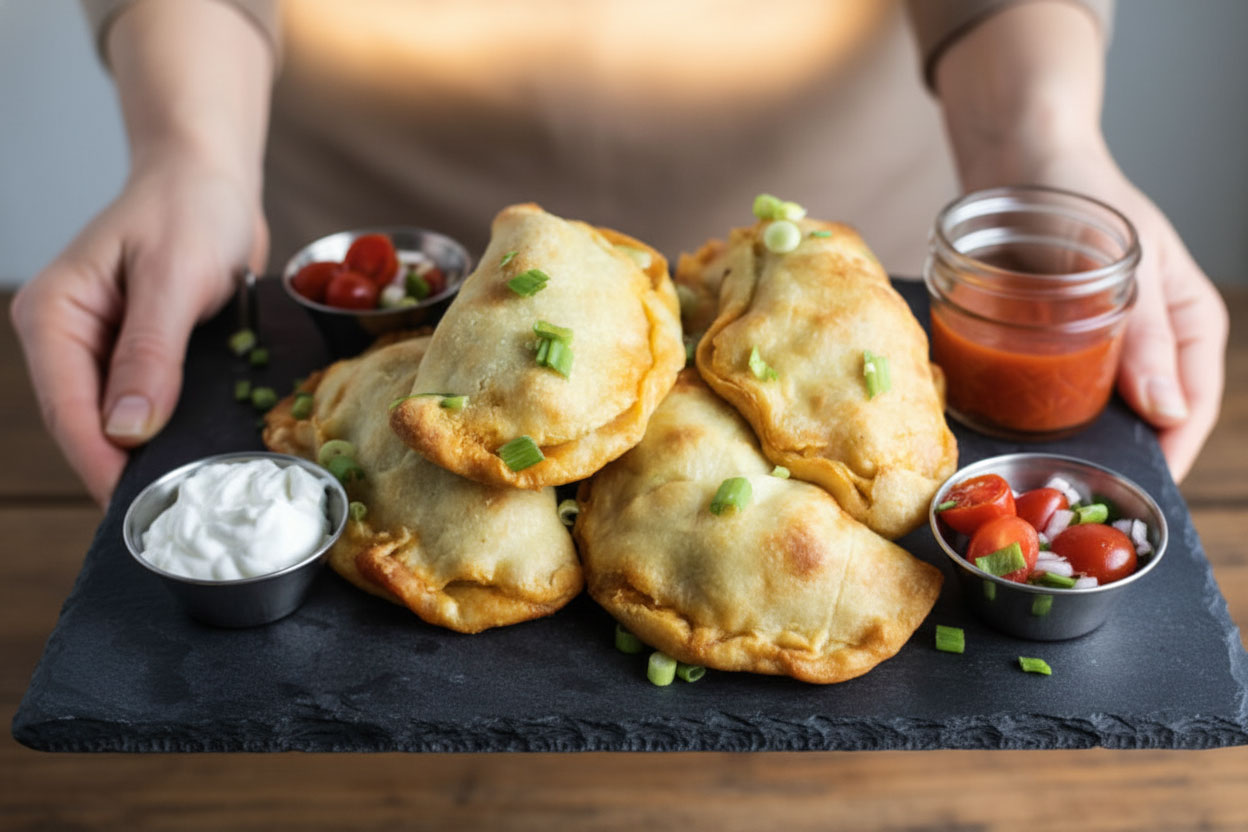
Get ready to fall in love with your new favorite low-carb appetizer! These Keto Buffalo Chicken Empanadas pack all the spicy, tangy flavor you crave into a perfectly portable, cheesy, and flaky pastry. We’ve cracked the code on a tender, delicious almond flour...

0